

Rapid adoption reduces reliance on costly fuel imports
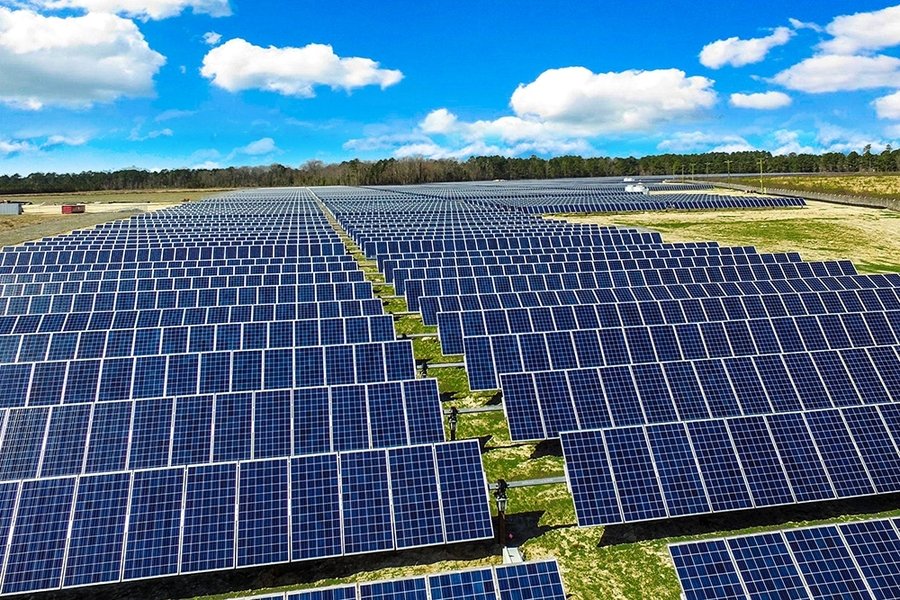
Islamabad: Pakistan’s growing reliance on solar energy is helping cushion the country from rising fuel costs triggered by the ongoing Gulf conflict. Over the past three years, consumers across the country have rapidly installed solar panels, creating what analysts describe as a “solar shield” against volatile global energy prices.
Moreover, this shift has significantly reduced dependence on imported oil and gas, which typically expose the economy to external shocks. As energy prices surged internationally, Pakistan managed to limit the impact on electricity costs due to its expanding renewable base. Consequently, households and businesses that adopted solar systems earlier now benefit from greater energy stability and lower bills.
In addition, experts note that the solar boom reflects both necessity and opportunity, as frequent power shortages and high tariffs previously pushed consumers toward alternative solutions.
One-quarter of electricity now generated from solar sources
According to recent estimates, nearly 25% of Pakistan’s electricity now comes from solar power, marking a major share in the national energy mix. This growth has occurred largely through decentralized installations, including rooftop systems in urban and rural areas.
Furthermore, the expansion of solar capacity has eased pressure on the national grid and reduced peak demand during daylight hours. Policymakers and energy analysts argue that this transition could strengthen long-term energy security if supported by consistent regulations and infrastructure upgrades.
Meanwhile, the current Gulf crisis has highlighted the strategic value of renewable energy. As a result, Pakistan’s early adoption of solar technology is now paying dividends by insulating consumers from global price volatility.
Overall, the country’s solar surge demonstrates how localized energy solutions can enhance resilience in times of international uncertainty.

