

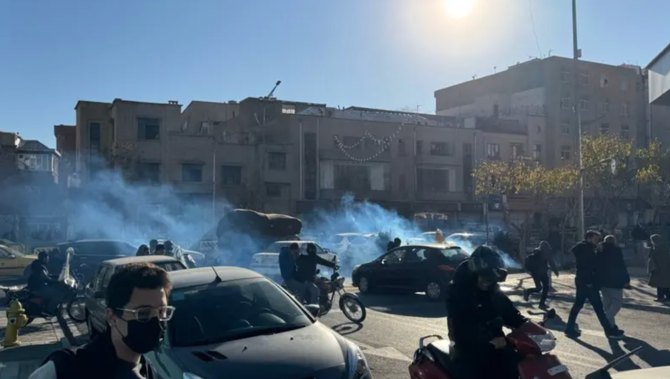

Fresh clashes between protesters and security forces in Iran have left six people dead, marking the first reported fatalities since nationwide demonstrations over the rising cost of living began earlier this week.
The protests started on Sunday in Tehran, where shopkeepers staged strikes to protest soaring prices, inflation, and prolonged economic stagnation. Since then, demonstrations have spread to several other cities, including areas in western Iran.
On Thursday, Iran’s semi-official Fars news agency reported that two people were killed during confrontations in Lordegan, a city in Chaharmahal and Bakhtiari province. According to the agency, protesters damaged public buildings, including the governor’s office, banks, and municipal facilities, prompting police to respond with tear gas and arrests.
Three additional deaths were reported in Azna, in neighbouring Lorestan province, where authorities said demonstrators attacked a police station.
State television separately reported the death of a member of Iran’s security forces in the city of Kouhdasht. Officials said the 21-year-old belonged to the Basij, a volunteer paramilitary force affiliated with the Revolutionary Guards. Provincial authorities also reported injuries to at least 13 police officers and Basij members during clashes involving stone throwing.
The demonstrations are smaller in scale than the widespread protests of 2022, which followed the death of Mahsa Amini in police custody and resulted in hundreds of fatalities nationwide. However, the current unrest has gained momentum after students from more than ten universities joined protests earlier this week.
President Masoud Pezeshkian has acknowledged what he described as the “legitimate demands” of protesters and urged government institutions to take urgent steps to address economic hardships. At the same time, authorities have warned they will respond firmly to any acts they say threaten public security or damage property.
Iran is facing severe economic pressures, with the national currency having lost more than a third of its value against the US dollar over the past year. Official figures show inflation standing at 52% year-on-year in December, continuing to erode household purchasing power.
