


Court Cites Jurisdiction Concerns and Lack of Evidence in Ombudsman’s Decision
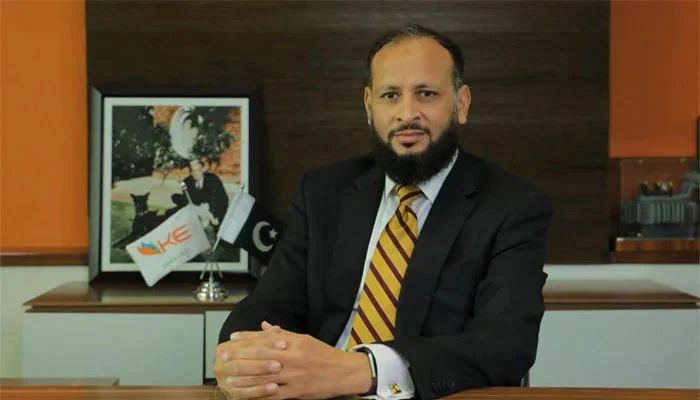
KARACHI: The Sindh High Court (SHC) on Friday suspended a decision by the provincial ombudsman that had ordered the removal of K-Electric (KE) Chief Executive Officer Moonis Alvi over allegations of workplace harassment.
The suspension comes just a day after retired Justice Shahnawaz Tariq, the provincial ombudsman for protection against harassment of women at the workplace, found Alvi guilty of creating a hostile work environment. The order directed Alvi’s immediate removal from his position and imposed a Rs2.5 million fine as compensation to the complainant, Mahreen Aziz Khan, former Chief Marketing and Communication Officer at KE.
In her complaint, Khan alleged harassment, intimidation, and mental distress caused by Alvi, along with KE’s Chief People Officer Rizwan Dallia, Chief of Security retired Colonel Wahid Asghar, and Board Member Khalid Rafi, who also chairs the Board HR Committee.
Petition Argues Lack of Evidence and Jurisdiction
In response, Alvi challenged the decision in the SHC, arguing through his legal team that the ombudsman had exceeded his jurisdiction. According to the petition—available on Dawn.com—Alvi claimed that KE, being a trans-provincial entity, falls outside the jurisdiction of the provincial ombudsman and that any such complaint should have been heard by the federal ombudsman instead.
Furthermore, the petition stated that Khan’s complaint did not include allegations of sexual or physical harassment, nor any claims of gender discrimination. “There was no assertion that Alvi, in a position of authority, solicited sexual favors, nor was there any suggestion of systemic gender bias,” the plea noted.
Alvi’s lawyers also argued that women hold several senior roles at KE, undermining the claim of a discriminatory or hostile work environment. They described the ombudsman’s ruling as “flimsy,” “disproportionate,” and not based on any proven evidence of harassment.
Court Halts Removal, Summons Parties for Hearing
In its interim order, the SHC acknowledged the jurisdictional challenge and issued notices to the respondents, including the Sindh advocate general and deputy advocate general, for a hearing scheduled on August 8. Until then, the court has suspended the ombudsman’s ruling.
However, the SHC did direct Moonis Alvi to deposit the Rs2.5 million penalty with the court’s nazir (judicial officer) as a precautionary measure, pending the final outcome of the case.
The ombudsman’s now-suspended ruling had penalized Alvi under Section 4(4)(ii)(c) of the Protection against Harassment of Women at the Workplace Act, 2010. It declared that Alvi had “committed harassment, created a hostile environment and caused mental agony at the workplace to [Khan] and her team.”
The outcome of this case is likely to have broader implications for jurisdictional boundaries and the interpretation of workplace harassment laws in Pakistan, especially when it involves trans-provincial entities like KE.
