

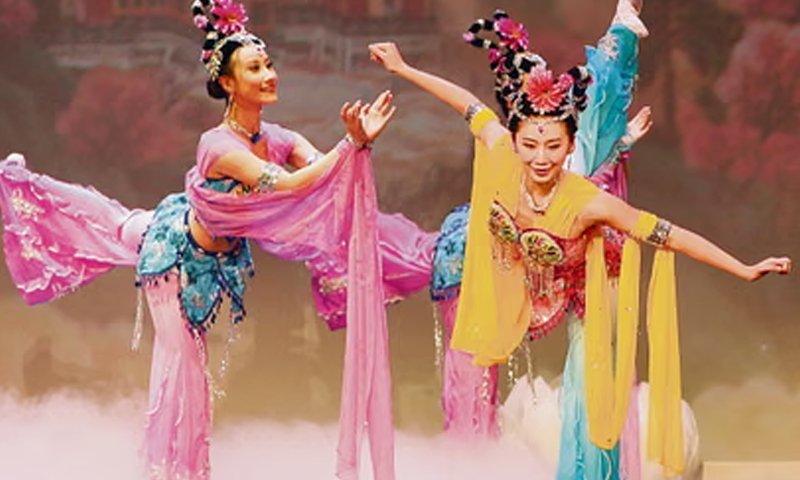

For more than 20 years, Shen Yun has toured the globe with a spectacular promise: to revive 5,000 years of Chinese civilization through elegant dance, sweeping orchestral music, and vivid storytelling. Marketed as a glimpse of “China before communism,” the production has attracted millions of audience members and built a powerful global brand.
Behind the vibrant costumes and thunderous applause, however, Shen Yun now finds itself under scrutiny. The internationally renowned show — operated by the spiritual movement Falun Gong — is facing lawsuits that allege forced labor, untreated injuries, and the exploitation of young performers.
In an investigation led by correspondent Lisa Ling, former Shen Yun dancers and musicians describe a far darker reality than what audiences see on stage. Several say they joined the production as children, living and training in near-total isolation at Falun Gong’s tightly guarded headquarters, Dragon Springs, in upstate New York. According to these former performers, fear and control defined daily life.
They allege grueling rehearsal schedules, pressure to perform through serious injuries, and limited access to medical care. Some say they were discouraged from questioning authority or seeking outside help, believing that doing so would jeopardize their spiritual standing or bring punishment. A few former members describe the experience not simply as strict training, but as child labor carried out under the banner of religious devotion.
Shen Yun’s leadership strongly rejects those claims. Company officials insist that performers and students willingly dedicate themselves to the discipline required for elite artistic achievement. They deny any forced labor, arguing that the demanding schedule reflects the reality of professional dance rather than abuse. Leaders also dispute allegations of medical neglect, saying health care is available and that injuries are treated responsibly.
For the first time, Shen Yun granted journalists rare access inside Dragon Springs, a secluded campus long shrouded in secrecy. Nestled among rolling hills and guarded entrances, the compound functions as both a training ground and spiritual center. Inside, performers rehearse, study, and live largely apart from the outside world — a setting Shen Yun leaders say is essential to preserving focus, faith, and artistic purity.
Falun Gong, which blends meditation practices with moral teachings, has been fiercely opposed to China’s Communist Party since the late 1990s. The movement has faced years of persecution in China, a history that informs Shen Yun’s ideological mission and its portrayal of communism as destructive to traditional culture. That political and spiritual struggle, critics say, may also shape how authority is exercised internally.
The lawsuits now confronting Shen Yun raise difficult questions about the balance between religious freedom, artistic discipline, and the rights of young performers. Supporters argue that Western audiences misunderstand a culture rooted in sacrifice and devotion. Former performers counter that reverence for tradition should never come at the cost of safety, education, or personal autonomy.
As Shen Yun continues to tour prestigious venues and draw packed crowds, the contrast between its public image and the allegations behind the scenes has become impossible to ignore. The legal battles may determine more than the fate of a single production — they could redefine how elite performance institutions, especially those tied to spiritual movements, are held accountable.
For audiences captivated by the beauty on stage, the unfolding controversy offers a sobering reminder: sometimes the most dramatic story lies not in the performance itself, but in the lives shaped far from the spotlight.
