

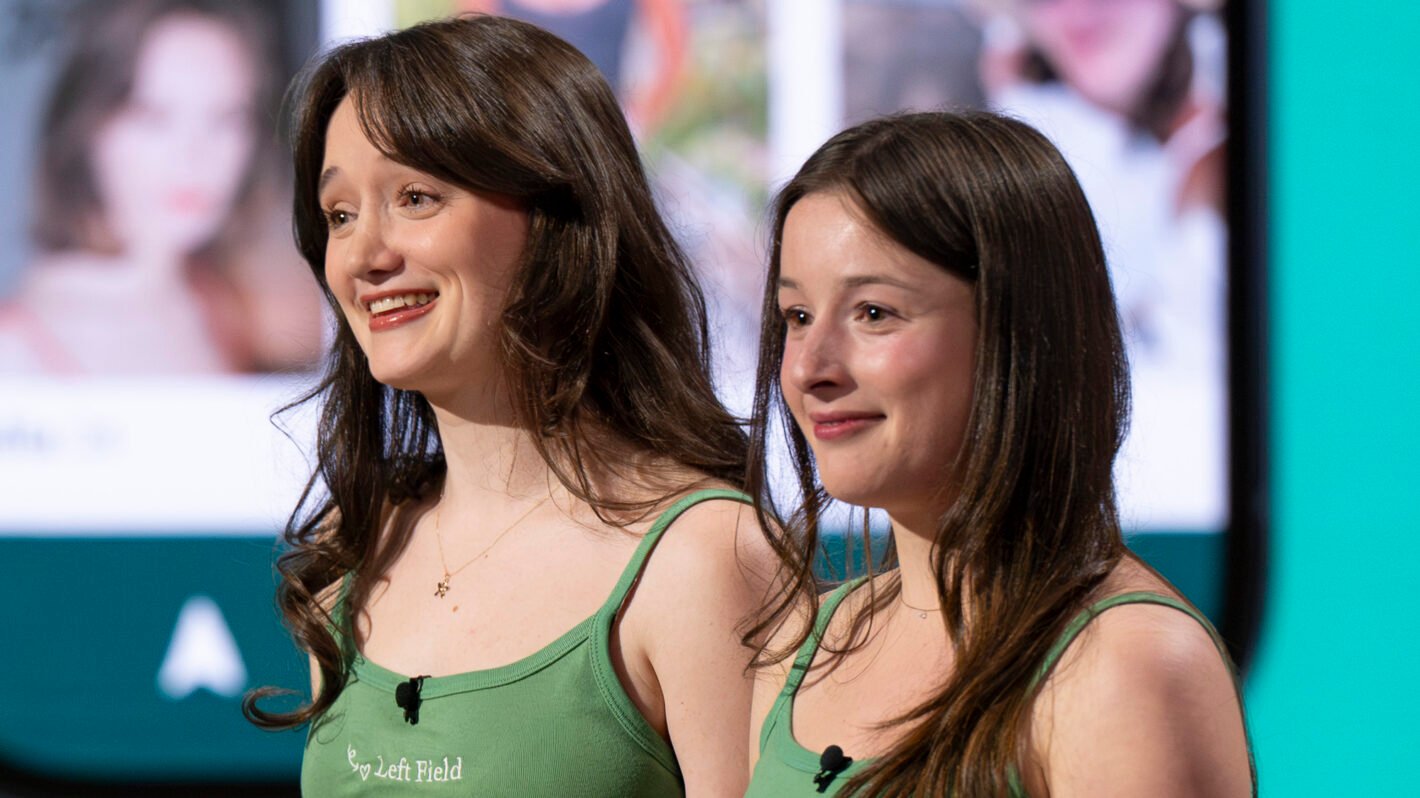

In a dating world dominated by endless swiping, ghosting, and algorithm fatigue, one Shark Tank startup is trying to revive the magic of the classic meet-cute. Enter Left Field, a dating app designed to help people connect in real life — not just on a screen. While the concept has struck a chord with romantics, it has also raised a big question: is meeting someone this way still safe?
The January 21 episode of Shark Tank introduced viewers to Left Field, founded by Kate Sieler and Samantha Martin. The duo revealed that the app launched in February 2025 and had already attracted around 5,000 users by the time of filming. Unlike mainstream dating apps like Tinder, Bumble, or Hinge, Left Field isn’t built around endless profiles and swipes. Instead, it aims to turn real-world proximity into genuine connections.
What Makes Left Field Different?
Left Field’s core idea is simple: meaningful relationships often start offline. Using a mix of AI and location data, the app sends push notifications when someone compatible is nearby — whether that’s at a café, in a familiar neighborhood, or around shared social spaces.
According to the company’s website, the app matches users based on real-life overlaps, including mutual friends, favorite spots, hometowns, neighborhoods, and college towns. Rather than overwhelming users with dozens of profiles, Left Field delivers two curated “drops” per week, each accompanied by a short explanation describing how the connection was made.
The founders say the system works for three key reasons:
-
It prioritizes people users are already socially close to
-
Matches are limited and curated
-
Every introduction includes context, not just photos
The result, they argue, is a more intentional and less exhausting dating experience.
Did the Sharks Bite?
Yes — and in a big way.
Left Field walked into the Tank seeking $200,000 for a 5% stake, but ultimately secured a deal with Kendra Scott and Alexis Ohanian, who made a joint offer of $200,000 for an 8% equity stake plus 4% in advisory shares. Sieler and Martin accepted the deal, calling it a game-changing moment for the company.
“Now that we have Kendra and Alexis,” the founders said after the deal, “Left Field is going to dominate the world — and the dating app industry.”
The Safety Debate
Despite the excitement, viewers quickly began debating whether a location-based dating app is safe in today’s world. On social media, reactions were mixed. Some were instantly skeptical, with one viewer writing, “No bro, this is pretty dangerous. You will need more safety measures than that.”
Others, however, were drawn to the nostalgia of the concept. “This is such a good idea I almost wish I was back on the market,” another viewer commented.
Sieler and Martin addressed these concerns head-on during their pitch. They emphasized that Left Field does not share precise locations, instead only revealing information at a vague neighborhood level. Users never see exact addresses or real-time tracking data.
“It’s safer by design,” the founders explained. “Mutuals create trust and accountability.”
By focusing on shared social connections — rather than total strangers — Left Field aims to reduce the anonymity that often fuels bad behavior on traditional dating apps. The founders argue that knowing you have mutual friends or shared spaces naturally encourages better conduct.
Old-School Romance in a Modern World
Left Field taps into a growing cultural fatigue around swipe-based dating. Many singles are craving something more organic — a spark that feels spontaneous rather than engineered by an algorithm.
Still, the app’s success will likely hinge on how well it balances romantic serendipity with modern safety expectations. While the concept has undeniable charm, users will expect transparency, control, and robust safeguards as the platform grows.
For now, Left Field has managed to do something rare in the dating app space: make people feel hopeful again — and spark a serious conversation about how we meet, connect, and stay safe in real life.
