

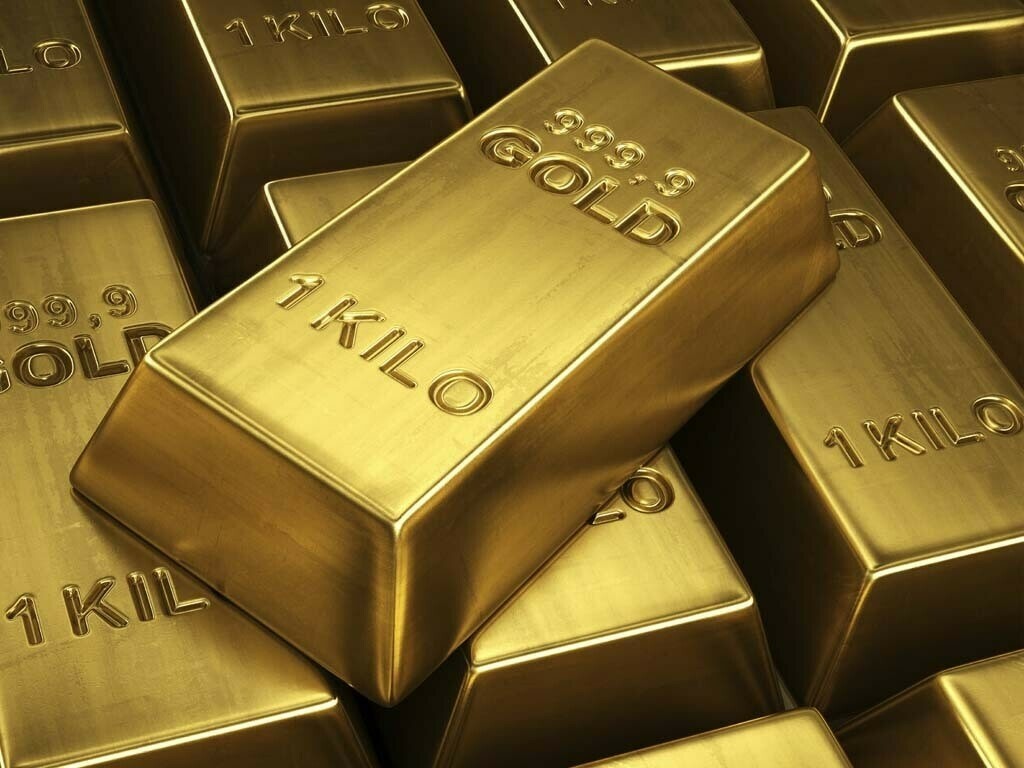

To provide debt relief for low-income countries hit by climate disasters, the International Monetary Fund (IMF) should consider selling 4% of its gold reserves, according to a study released as climate finance discussions lead the agenda at the COP29 summit.
Selling this portion of the IMF’s gold—worth approximately $9.52 billion—could support debt relief for 86 countries, the study suggests.
In recent years, low-income nations from the Caribbean to Africa have increasingly turned to the IMF for aid in managing crises like the COVID-19 pandemic, which has raised their repayments to the lender. While the IMF’s Catastrophe Containment Relief Trust (CCRT) provides some relief, it only covers 30 low-income countries and has limited funds of just $103 million, noted researchers from the Boston University Global Development Centre.
The CCRT offers temporary loan relief, freeing up funds for critical needs, but its climate criteria are restrictive and funding is insufficient to meet demand, the researchers argued.
The study suggests that selling a small amount of the IMF’s 90.5 million ounces of gold could boost funds significantly, leveraging high current prices above $2,600 per ounce to expand the CCRT and aid more countries.
“With gold trading at over $2,600 per ounce, even a minor sale could generate substantial revenue and fully replenish the CCRT,” the study noted.
Gold was priced at $2,606.42 per ounce on Wednesday. IMF gold sales are rare; the last sale in 2009-2010 offloaded an eighth of its reserves to increase lending capacity.
Originally, IMF member states paid their quotas in gold, leading to an accumulated reserve valued at just $45 per ounce historically, the study explained.
Repayments to the IMF are increasingly straining vulnerable economies. For example, Madagascar, an Indian Ocean island nation, is set to pay $106 million to the IMF next year—about a quarter of its debt service, rising to $158 million and 41% by 2026. Mozambique is also facing escalating IMF repayments over the coming years.
A gold sale would require approval from the majority of IMF executive board members and a commitment from member states to channel proceeds to the CCRT, according to the study.
