

Iran and US Race to Locate Downed Fighter Jet Crew
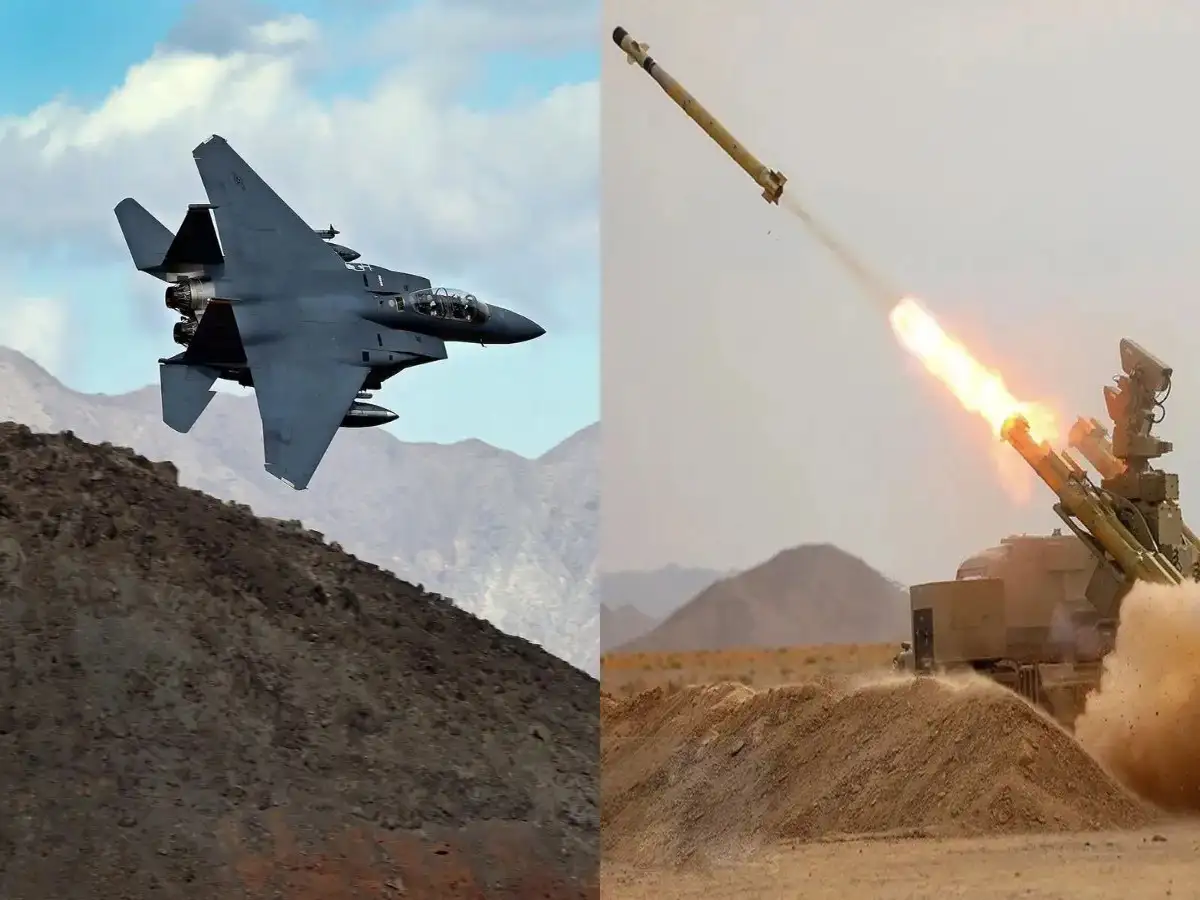
Iranian and US forces are actively searching for a missing American pilot after two warplanes crashed during the ongoing conflict. Officials confirmed that one aircraft, an F-15E, went down over Iranian territory. Another aircraft, an A-10, crashed in Kuwait after coming under fire.
Rescue teams managed to save two crew members. However, one pilot remains missing. Both sides are now racing to locate him. Iranian forces have launched ground operations in the southwest region where the jet reportedly crashed. At the same time, US officials continue their search efforts.
Iran’s Revolutionary Guard Corps said its teams are scanning the area carefully. Local authorities have also announced rewards for anyone who finds the pilot. As a result, the situation has become more tense and urgent.
Air War Risks Rise Despite US Claims of Control
The incidents highlight growing risks in the air war. This comes despite earlier claims by Donald Trump that US forces control the skies. The loss of aircraft has raised serious questions about that claim.
Iranian officials stated that their air defenses successfully targeted advanced US aircraft. They said new systems helped them counter modern fighter jets. In addition, Iranian forces also hit US helicopters involved in rescue operations. Despite the attacks, those helicopters managed to leave safely.
Meanwhile, the presence of a missing US pilot inside Iran has increased pressure on Washington. The situation carries both military and political risks. Public support for the war in the United States remains low. Therefore, any escalation could create further challenges for US leadership.
Iranian leaders reacted strongly to the developments. Parliament Speaker Mohammad Baqer Qalibaf mocked US war goals. He claimed the conflict had shifted from regime change to a search mission for pilots.
Regional Conflict Expands with Strikes on Infrastructure
The wider conflict continues to spread across the Middle East. Iran has launched drones and missiles toward Israel and Gulf countries. In response, US and Israeli forces have increased airstrikes.
Debris from intercepted drones fell in Dubai but caused no injuries. However, attacks on infrastructure have raised concerns. Iran struck a power and water plant in Kuwait. This highlighted the vulnerability of essential services in the region.
At the same time, Israel expanded its operations in Lebanon. It targeted positions linked to Hezbollah in Beirut. These strikes added another layer to the growing regional conflict.
The United States also issued warnings to its citizens in Lebanon. Officials advised them to leave due to possible threats to public places, including universities. This reflects rising security concerns across the region.
Oil markets have reacted sharply to the situation. Prices jumped after uncertainty increased. Investors fear disruptions in supply as attacks continue. The Strait of Hormuz remains a key concern for global energy flows.
The conflict began after strikes that killed Iran’s Supreme Leader Ali Khamenei. Since then, the war has caused heavy casualties and economic damage. Thousands of people have lost their lives, while many more have been injured.
As the war enters its sixth week, the risk of further escalation remains high. Both sides continue military operations. At the same time, diplomatic efforts appear stalled.

