

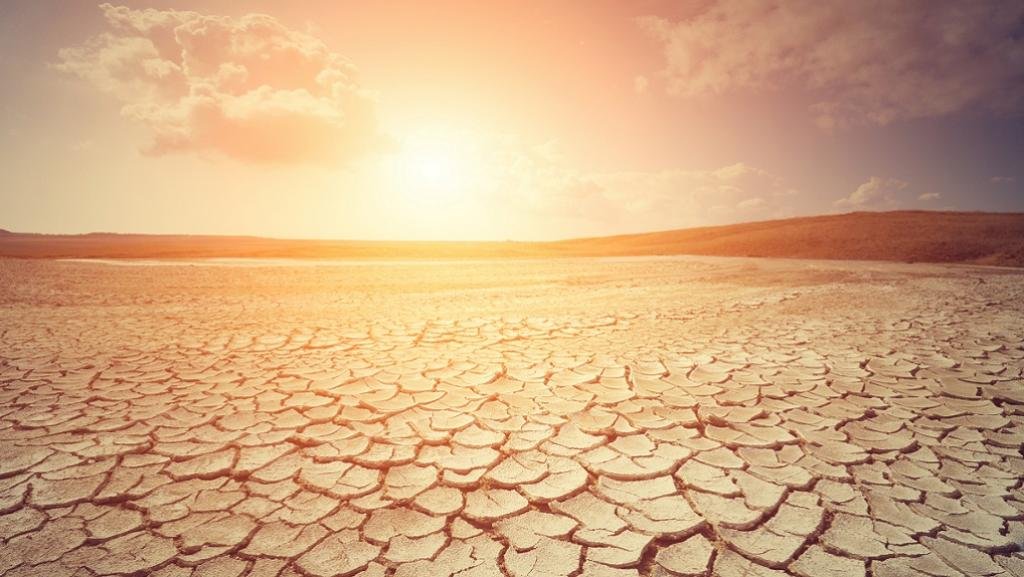

LAHORE: The Provincial Disaster Management Authority (PDMA) has warned that the ongoing heatwave across Punjab will continue until at least Thursday, June 12, with temperatures remaining significantly above seasonal norms. According to PDMA data, temperatures are currently 4 to 7°C higher than average, posing serious health risks. On Monday, Sargodha recorded the highest temperature in the province at a scorching 47°C, while Lahore, Multan, and Faisalabad hovered around 45°C. Several other districts, including Toba Tek Singh, Okara, Sahiwal, Mandi Bahauddin, and Kasur, reported temperatures ranging from 40°C to 42°C.
Southern Punjab, including Bahawalpur, Rahim Yar Khan, Multan, and Dera Ghazi Khan, continues to bear the brunt of the extreme heat.
A similar advisory has been issued for Gilgit-Baltistan, where temperatures are forecasted to rise by 5 to 7°C, increasing the risk of accelerated glacial melt, according to the Pakistan Meteorological Department.
Emergency Measures in Place
PDMA Director General Irfan Ali Kathia has directed all relevant departments to remain on high alert. Response efforts include:
- Activation of heatstroke counters at hospitals
- Distribution of clean drinking water in drought-hit Cholistan
- Stockpiling of essential medicines for heat-related illnesses
Citizens have been urged to avoid unnecessary outdoor activity, especially between 10 a.m. and 4 p.m., wear light, breathable clothing, and stay hydrated. Vulnerable populations—children, the elderly, and those with chronic conditions—require special care, the PDMA emphasized.
The public is encouraged to remain vigilant and report symptoms of heat-related illness—such as dizziness, nausea, or fainting—by calling the PDMA helpline at 1129.
Climate Change and Rising Temperatures
According to the Pakistan Economic Survey 2024–25, released Monday, 2024 was the ninth warmest year on record in the country. The national average temperature was 23.52°C, exceeding the long-term average by 0.71°C.
The report highlights an alarming warming trend:
- July 2024 was the second-hottest July in 64 years, at 1.26°C above normal.
- October 2024 shattered previous records as the hottest October ever, with temperatures soaring 2.48°C above average.
Experts warn that such patterns are consistent with the accelerating effects of climate change, calling for both immediate adaptation measures and long-term environmental policy reforms.
