

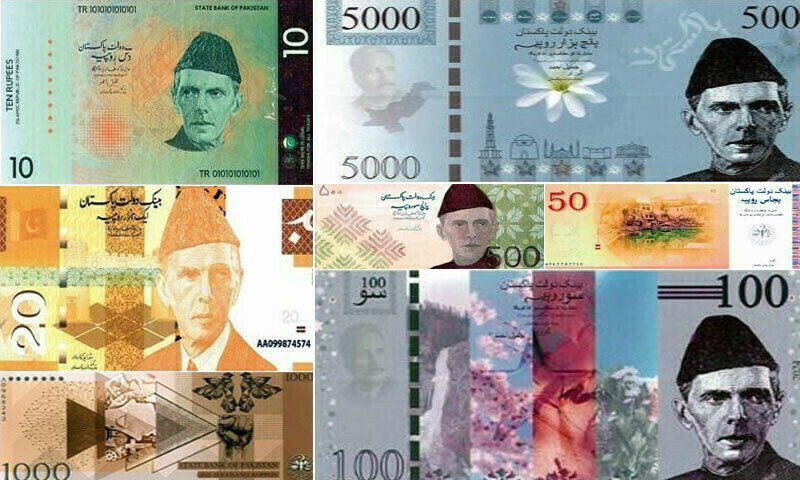

ISLAMABAD: The State Bank of Pakistan (SBP) has finalized the designs for a series of new currency notes. SBP Governor Jameel Ahmad disclosed this today during a press conference in Karachi.
Governor SBP revealed that the selected designs were developed in collaboration with an international expert and will move to the next stage once approved by the federal cabinet.
“If approved,” experts say, “the printing and circulation of the new currency notes could begin in the coming months.” The initiative aims to enhance transparency, strengthen security features, and boost public confidence in the national economy.
The official design has not yet been made public, and the images circulating on social media are not authentic. They originated from a public art competition previously held by the SBP and do not represent the final version.
The new currency series, once introduced, will mark a significant update to Pakistan’s banknotes in terms of security and design modernization.
FBR abolishes digital tax
Meanwhile, the The Federal Board of Revenue (FBR) has abolished the newly introduced Digital Presence Proceeds Tax, confirming that it will no longer apply to foreign-supplied digital goods and services from July 1 onwards.
The announcement comes just weeks after the government unveiled a set of new taxation measures targeting both local and foreign e-commerce platforms, which had sparked concerns among online shoppers and digital businesses.
In a notification issued Wednesday, FBR said:
“The Digital Presence Proceeds Tax shall not apply to digitally ordered goods and services supplied from outside Pakistan, by any person, which are chargeable to tax under the said act.”
The Digital Presence Proceeds Tax Act, 2025, originally aimed to impose taxes on foreign vendors conducting digital sales in Pakistan without having a physical presence in the country.
Under Section 3 of the Act, international e-commerce players — such as Ali Express, Temu, and Amazon — with a “significant digital presence” in Pakistan were to be taxed 5% on the value of goods sold. The tax was to be collected via banks, financial institutions, and payment gateways processing payments between Pakistani customers and foreign sellers.
Additionally, customs authorities were empowered to withhold delivery of online-purchased items until courier companies could provide proof of tax payment.
The FBR’s latest notification reverses this aspect of the law, signaling relief for consumers who were facing higher costs on foreign online purchases, and for digital retailers who feared operational disruption due to complicated compliance.
