

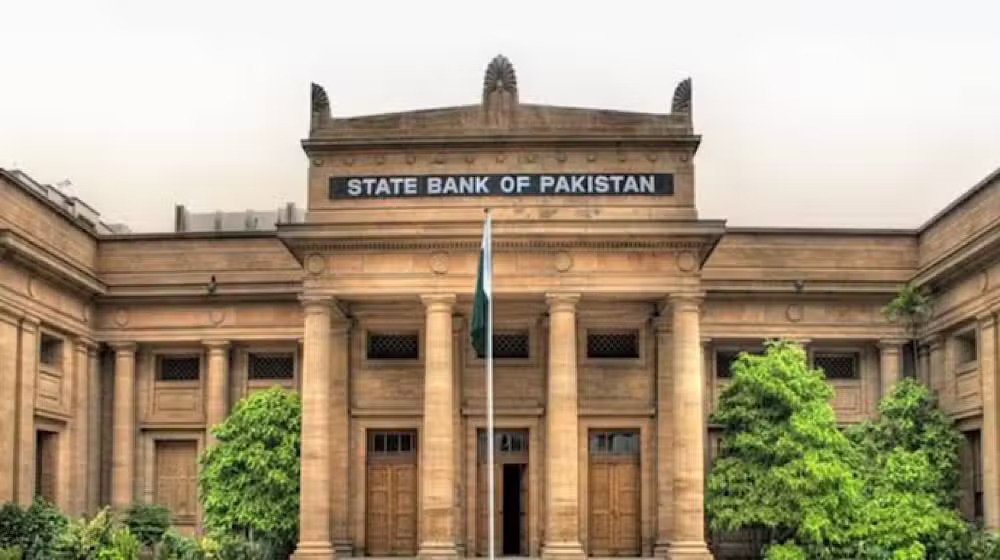

The State Bank of Pakistan (SBP) has shed light on the two-hour delay policy applied to funds transferred into branchless banking wallets and accounts. Many customers have been questioning the reason behind this restriction, which prevents immediate use of transferred money despite the funds appearing instantly in their accounts.
Instant transfers but delayed usage
According to SBP, all digital fund transfers are processed in real time. This means the money is credited immediately to the recipient’s account once the transaction is completed. However, when the transfer is made into a branchless banking wallet or account, customers cannot instantly withdraw or spend the amount. Instead, there is a mandatory two-hour waiting period before the funds can be used for withdrawals, bill payments, online purchases, or mobile top-ups.
Why the cooling period is necessary
The central bank explained that this delay has been implemented as a customer protection measure. Branchless banking wallets, while convenient, have more relaxed rules for account opening and relatively simple verification procedures compared to traditional accounts. This makes them more vulnerable to fraudulent activity.
To address this risk, the SBP introduced a cooling period in April 2023. The two-hour gap allows customers time to detect suspicious transfers and report them before the funds are withdrawn or misused. In essence, the buffer acts as a safety net, ensuring that fraudsters cannot instantly move or spend unauthorized funds.
Protection against fraud
Fraudsters often exploit systems with weaker verification processes, targeting accounts that are easier to open and access. The SBP recognized this loophole and designed the rule to minimize losses for customers. By restricting immediate access to funds, potential fraud attempts can be intercepted before any significant damage occurs.
The central bank also stressed that this guideline has already shown effectiveness. Several cases of attempted fraud were thwarted because customers had time to raise alerts before the money could be used. As a result, the delay has become an important line of defense in securing Pakistan’s growing digital payment ecosystem.
Balancing convenience and security
While some users may see the waiting period as an inconvenience, the SBP emphasized that security must take precedence. Digital transactions are expanding rapidly in Pakistan, with branchless banking wallets becoming a vital tool for financial inclusion. However, the widespread adoption of these wallets also means that protective mechanisms are essential.
The cooling period provides a balance between convenience and protection. Customers still receive funds instantly, ensuring there is no delay in acknowledgment of payments. At the same time, the temporary restriction allows an added layer of safety that strengthens user trust in digital systems.
Building trust in digital banking
The SBP highlighted that protecting customers against fraud is central to building confidence in branchless and digital banking platforms. As Pakistan moves further toward a cashless economy, secure systems are critical for sustainable growth. Policies like the two-hour delay reflect the central bank’s commitment to ensuring that customers remain safeguarded without discouraging adoption of digital payment methods.
In the coming years, as verification processes become more robust, the SBP may review or refine such measures. For now, however, the central bank believes that the rule plays a vital role in strengthening customer security while maintaining real-time transfers.
