


Saudi Arabia has decided to renovate centuries old five mosques in Makkah region. The mosques are being restored and renovated as part of the second phase of the Prince Mohammed bin Salman Project for the Development of Historical Mosques.
With this project, Saudi Arabia will protect and renovate the mosques, prolong their lifespan, and maintain their architecture affected by the changing climate over past centuries, Saudi Press Agency reported today.
Al-Baiah Mosque, built by the Abbasid Caliph Abu Jafar Al-Mansour near Jamarat Al-Aqaba in Mina, is the first mosque to be developed in Makkah as part of the second phase of the project.
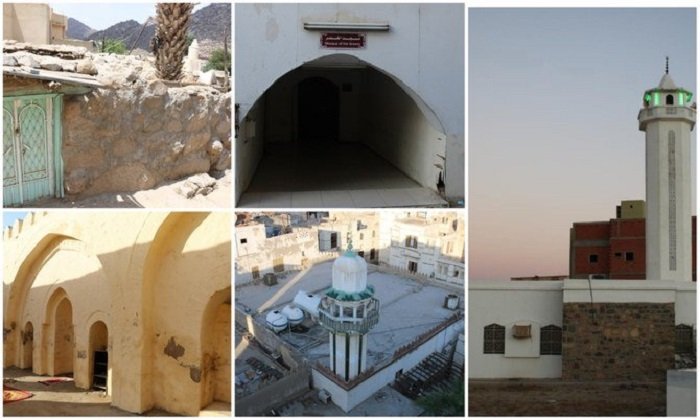
The area of the mosque after renovation will remain the same at 457.56 square meters, and it will have a capacity of 68 worshippers.
Two mosques in Jeddah governorate are part of the five; Abu Inbeh Mosque in Harat Al-Sham and Al-Khadr Mosque on Al-Dhahab Street in Al-Balad neighborhood.
Abu Inbeh Mosque was built more than 900 years ago and stands at 339.98 square meters.
After renovation, its area will reach 335.31 square meters and it will facilitate 357 worshippers.
Al-Khadr Mosque, around 66 kilometers from the Grand Mosque in Makkah, was built around 700 years ago.
Post-renovation, it will have an area of 355.09 square meters and a capacity of 355 worshippers.
The Prophet Muhammad (PBUH) is said to have prayed at the Al-Fath Mosque in Al-Jamoum governorate during the year he conquered Makkah.
Its area is expected to increase from 455.77 square meters to 553.50 square meters and its capacity will also increase from 218 to 333 worshippers.
Al-Jubail Mosque, which was built more than 300 years ago, is also part of the project and its post-renovation area will be 310 square meters. Its capacity will remain the same at 45 worshippers.
A total of 30 mosques will be included in the second phase of the development project that covers all regions in the Kingdom.
The project aims to highlight Saudi Arabia’s rich culture, restore historical mosques for worship and prayer, preserve the original features of historical mosques, and enhance their religious and cultural status.
