


Saudi Aramco and Iraq’s state-owned oil company, SOMO, have halted crude oil sales to India’s Nayara Energy following European Union sanctions imposed in July on the Russian-backed refiner, according to three sources familiar with the matter.
The suspension of supply from these Gulf exporters forced Nayara, which is majority-owned by Russian entities including Rosneft, to rely entirely on Russia for its crude imports during August, shipping data and industry sources revealed.
Typically, Nayara Energy receives approximately 2 million barrels of Iraqi crude and 1 million barrels of Saudi crude each month. However, during August, the company did not receive any shipments from either supplier, according to shipping data from Kpler and LSEG.
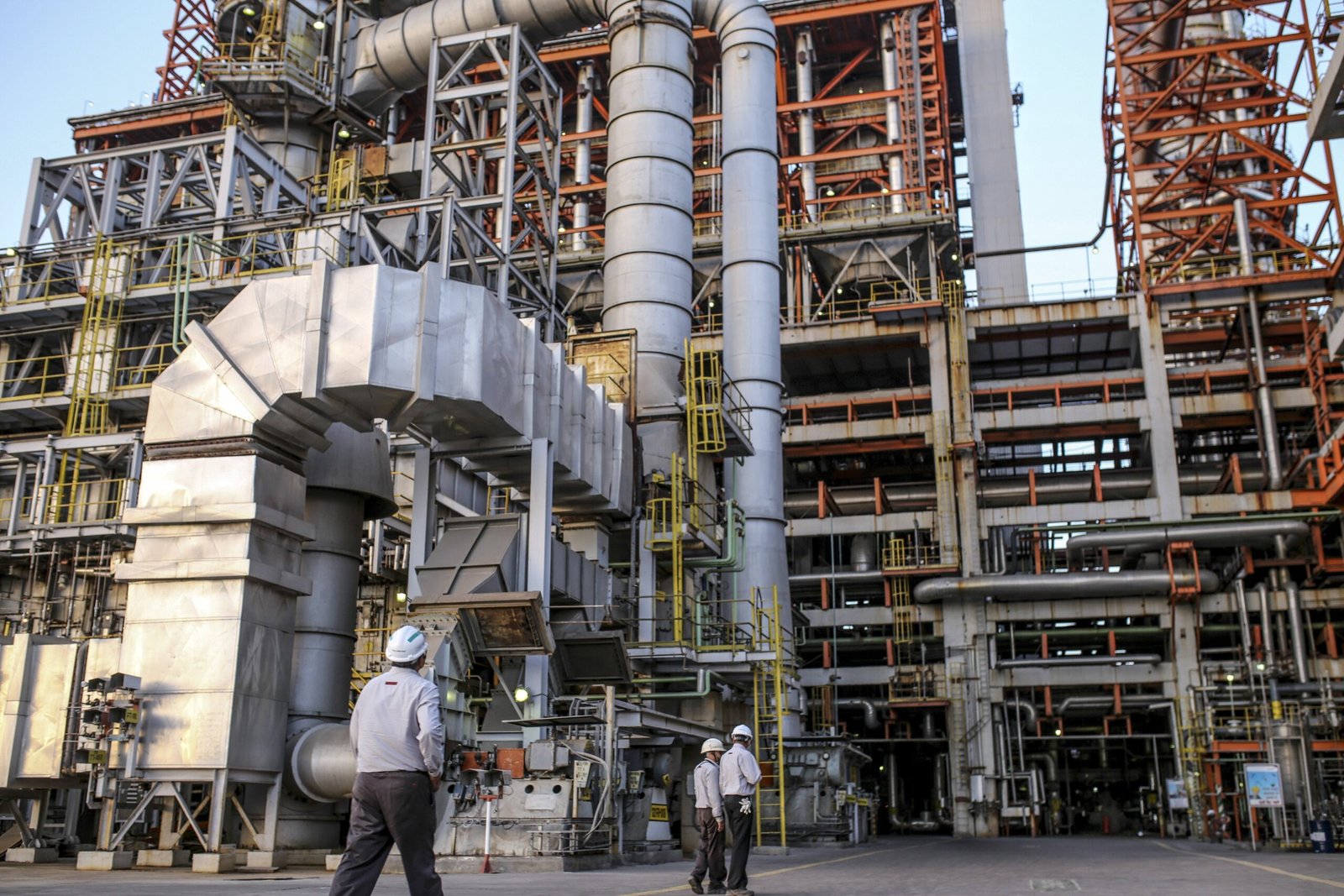
The halt in supplies has reportedly created significant operational challenges for the private refiner, which operates its Vadinar refinery in western India with a capacity of 400,000 barrels per day. Sources said the plant has been running at roughly 70-80% capacity due to difficulties in both procuring crude and selling refined products as a result of the sanctions.
Two of the sources indicated that the EU sanctions have caused payment complications for Nayara’s purchases from SOMO, although they did not provide further details on the nature of these issues.
The most recent Basra crude shipment from SOMO was delivered to Nayara on July 29 via the very large crude carrier (VLCC) Kalliopi at Vadinar port. Similarly, the last Saudi crude delivery, 1 million barrels of Arab Light co-loaded with an equivalent quantity of Basra Heavy on the VLCC Georgios, took place on July 18.
Following the sanctions, Nayara has been sourcing crude directly from Rosneft, as confirmed by a Russian Embassy official in New Delhi.
The EU measures have disrupted the company’s ability to transport fuel, forcing it to rely on so-called dark fleet vessels after other shippers withdrew from contracts. This logistical strain, combined with trade restrictions, has contributed to operational pressures on the company and impacted its ability to maintain full refinery capacity.
In addition to supply disruptions, Nayara has also experienced executive changes. The company’s CEO resigned in July, shortly after the sanctions came into effect.
Last week, Nayara announced the appointment of a senior executive from Azerbaijan’s state oil company, SOCAR, as its new chief executive. SOMO and Nayara have not responded to requests for comment, while Saudi Aramco declined to provide any remarks on the situation.
The ongoing sanctions, coupled with halted supplies from traditional Gulf partners, highlight the growing challenges faced by Nayara Energy in navigating geopolitical and operational risks while maintaining its refinery output and market position.
