

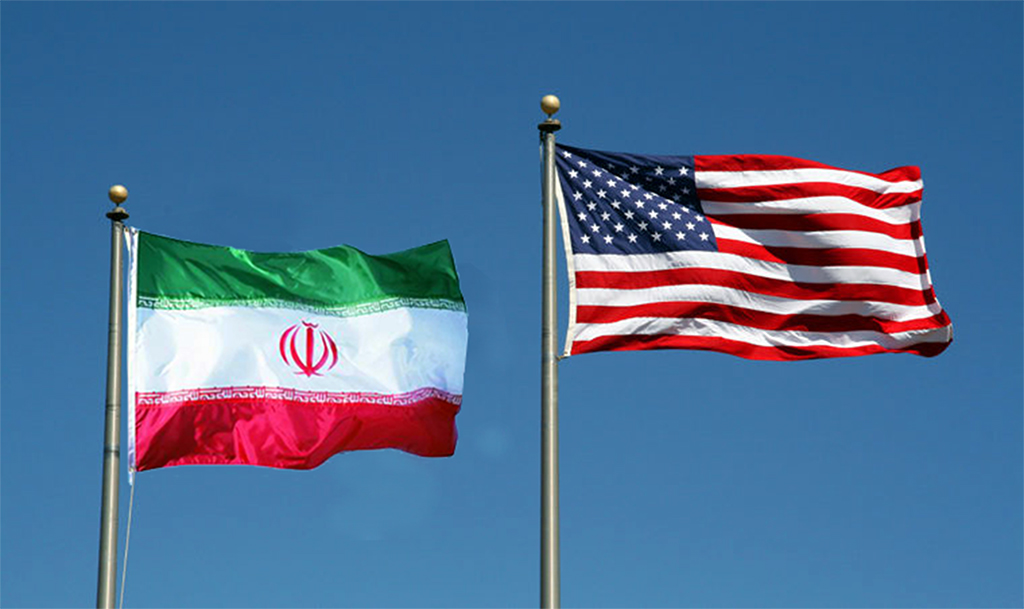

Iran and the United States continue to differ on sanctions relief during negotiations over Tehran’s nuclear programme. A senior Iranian official confirmed that both sides hold separate views on the scope and mechanism of lifting sanctions.
However, officials expect another round of talks in early March. Meanwhile, regional tensions continue to rise.
Key Differences Over Sanctions Relief
The latest discussions revealed disagreements about how and when sanctions should be removed. According to the Iranian official, Washington’s proposals do not align with Tehran’s expectations. Therefore, both sides must agree on a logical and realistic timetable.
He stressed that any roadmap must serve mutual interests. Without such balance, progress may remain limited.
Although negotiations resumed earlier this month, mistrust persists. At the same time, the United States has strengthened its military presence in the Middle East. Consequently, concerns about possible confrontation have intensified.
Iran has warned that it would target US bases in the region if attacked. Thus, diplomatic engagement remains crucial to avoid escalation.
Dispute Over Uranium Enrichment
Another major sticking point involves uranium enrichment. Washington demands zero enrichment inside Iran. However, Tehran rejects that demand and insists on recognition of its right to peaceful nuclear enrichment.
The United States argues that domestic enrichment could create a pathway to nuclear weapons. Iran, on the other hand, denies seeking such weapons. Instead, it maintains that its programme serves civilian purposes.
Washington has also called for Iran to surrender its stockpile of highly enriched uranium. The United Nations nuclear agency previously estimated that Iran holds more than 440 kilograms enriched up to 60 percent purity. This level remains below weapons grade but narrows the technical gap.
Signals of Possible Compromise
Despite disagreements, Tehran has signalled flexibility. The Iranian official said authorities may consider exporting part of the highly enriched stockpile. Additionally, Iran could dilute uranium enriched to higher levels.
Officials also proposed forming a regional enrichment consortium. In return, Tehran seeks formal recognition of its right to peaceful enrichment.
He acknowledged that talks continue and an interim agreement remains possible. Therefore, diplomatic channels remain active despite visible tensions.
Economic Incentives on the Table
Iranian authorities believe a diplomatic solution would benefit both countries economically. Within the proposed economic package, the United States has been offered opportunities for investment in Iran’s oil industry.
However, Tehran made clear that it will not transfer control of its oil or mineral resources. Instead, American companies could participate as contractors in oil and gas projects.
Iran maintains that economic cooperation can follow political understanding. Yet, it limits such cooperation to partnership rather than ownership.
What Lies Ahead
The upcoming round of negotiations may determine whether both sides narrow their differences. Although positions remain apart, officials continue discussions.
The Iran US sanctions relief talks therefore stand at a sensitive moment. Diplomatic compromise could ease tensions. Conversely, failure may deepen instability in an already volatile region.
