

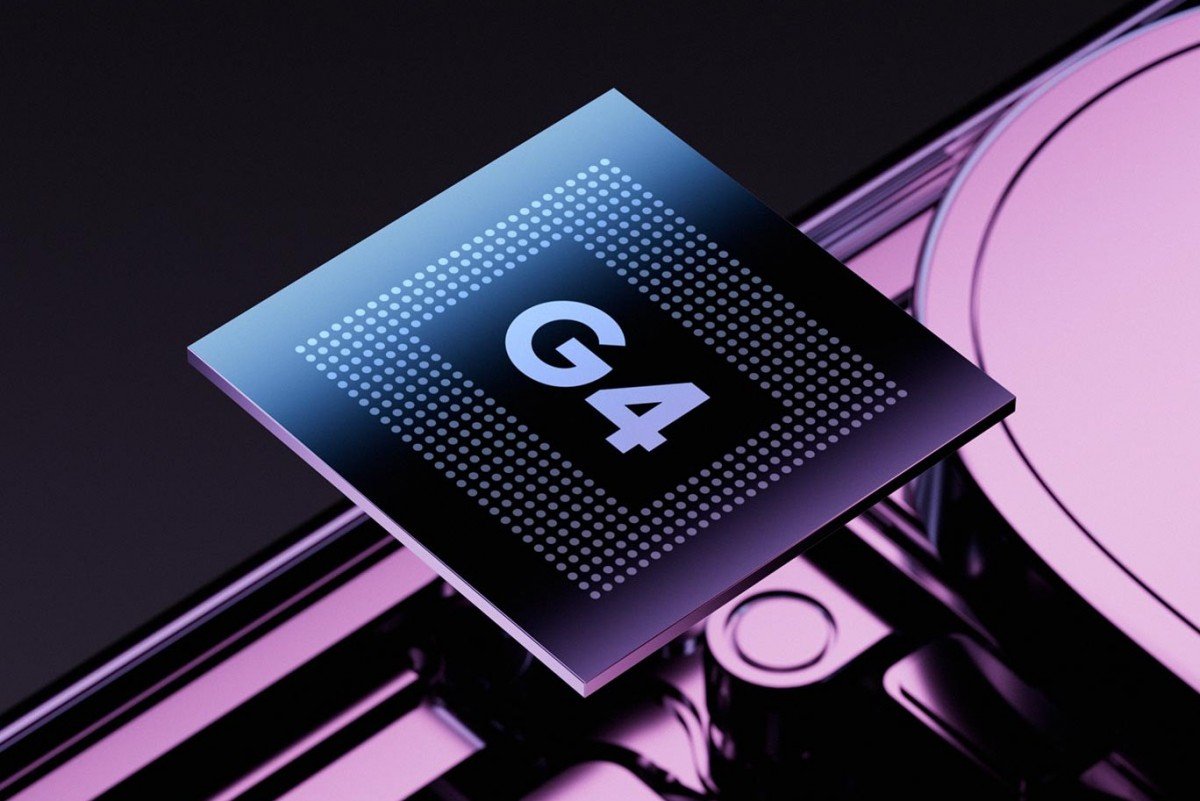

In a surprising industry shake-up, Google’s decision to switch from Samsung to TSMC for manufacturing its next-generation Tensor chips has left Samsung in disbelief. The move marks a major blow for the South Korean tech giant, which had been Google’s long-time partner for its Pixel smartphone processors.
Google’s Big Move: Why the Switch Happened
Google’s upcoming Tensor G5 chip, expected to power the Pixel 10 series, will reportedly be manufactured by Taiwan Semiconductor Manufacturing Company (TSMC) instead of Samsung. TSMC’s advanced 3nm process technology offers better power efficiency, performance, and reliability compared to Samsung’s 4nm process, which had been criticized for overheating and battery drain issues in previous Tensor generations.
By choosing TSMC, Google aims to close the performance gap between its Tensor chips and competitors like Apple’s A-series and Qualcomm’s Snapdragon processors. This shift is not only a technical decision but also a strategic move to enhance Pixel’s global competitiveness.
Samsung’s Reaction: A Wake-Up Call
Reports indicate that Samsung is shocked by Google’s decision, viewing it as a wake-up call for its semiconductor division. Losing a major client like Google highlights Samsung’s ongoing struggles to match TSMC’s manufacturing precision and yield rates. The company is now under pressure to accelerate its roadmap for next-generation chip fabrication technologies, particularly its 2nm process.
Samsung has been investing heavily in semiconductor innovation to regain its competitive edge. However, the loss of Google’s partnership might force it to reevaluate its strategies and focus more on quality control and efficiency improvements.
What This Means for the Smartphone Industry
Google’s switch could significantly reshape the chip manufacturing landscape. TSMC continues to strengthen its dominance by attracting major clients such as Apple, AMD, and now Google. Meanwhile, Samsung risks falling further behind unless it quickly improves its yield and performance metrics.
For consumers, the change promises better Pixel performance, improved battery life, and more efficient AI processing capabilities. The upcoming Pixel 10 could become one of the most powerful Android devices ever, thanks to TSMC’s advanced semiconductor technology.
FAQs
1. Why did Google switch from Samsung to TSMC?
Google switched to TSMC to take advantage of its superior 3nm manufacturing process, which offers better performance, energy efficiency, and thermal management.
2. How will this affect Samsung’s semiconductor business?
Losing Google as a client is a setback for Samsung, emphasizing the need for faster innovation and improved chip yields to compete with TSMC.
3. What can users expect from Google’s next Tensor chip?
The Tensor G5, built on TSMC’s 3nm process, is expected to deliver faster performance, longer battery life, and improved AI efficiency in future Pixel phones.
4. Will Samsung regain Google as a partner in the future?
It’s possible if Samsung successfully upgrades its chip manufacturing capabilities and proves it can match TSMC’s quality and performance.
5. When will the first TSMC-made Tensor chip launch?
The first TSMC-produced Tensor chip, likely named Tensor G5, is expected to debut in Google’s Pixel 10 series in 2025.
