
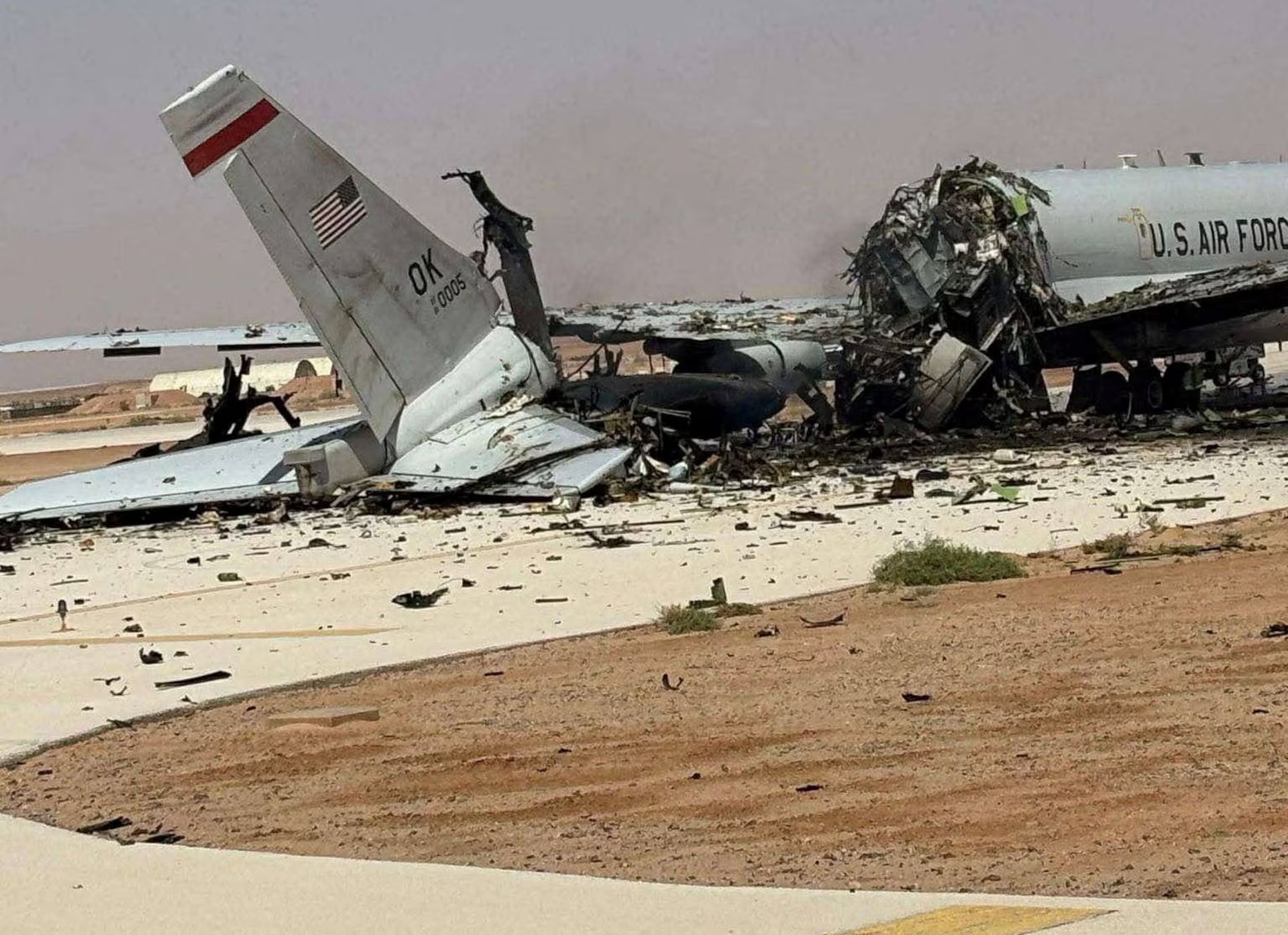

A Ukrainian intelligence assessment has alleged that Russian satellites conducted extensive surveillance of military and strategic sites across the Middle East to support Iranian strikes against US and allied targets, according to a report reviewed by Reuters. The findings also claim growing cyber cooperation between Moscow and Tehran.
According to the assessment, Russian satellites carried out at least 24 imaging surveys between March 21 and 31 across 11 countries, covering 46 locations, including military bases, airports, and النفط facilities. Notably, several of these sites were reportedly targeted by Iranian missiles and drones within days, suggesting a coordinated pattern.
Satellite surveillance linked to strike patterns
Meanwhile, intelligence sources cited in the report said areas in Saudi Arabia, including the King Khalid Military City, were surveyed multiple times, possibly to identify US-made THAAD air defence systems. Additionally, locations in Turkey, Jordan, Kuwait, and the United Arab Emirates were also monitored.
Furthermore, satellite activity reportedly extended to strategic waterways such as the Strait of Hormuz, highlighting its importance in global energy flows. A Western military source and a regional security official also indicated that Russia shared satellite imagery with Iran.
However, Reuters noted it could not independently verify the assessment. The White House said external support had not affected US operations, while Russia and Iran did not immediately comment.
Cyber cooperation signals deepening ties
In addition, the report highlighted expanding cyber collaboration between Russian and Iranian groups. It said hacker networks from both countries coordinated operations via Telegram, targeting infrastructure and telecom sectors in the region.
The assessment also pointed to broader strategic ties between Moscow and Tehran, strengthened after the Ukraine war and formalised through a cooperation treaty. Therefore, analysts view the alleged intelligence and cyber support as part of a deepening partnership amid ongoing regional conflict.

