


In the basement of a local history museum in Sapporo, a modest exhibit sheds light on one of World War II’s longest-running disputes. Known as the Northern Territories Exhibition Room, the display blends history with subtle activism, urging visitors to support Japan’s claim over contested islands.
Visitors can fill out forms pledging support for the “return of the Northern Territories.” Meanwhile, a touchscreen allows them to release virtual cherry blossom petals onto a digital tree as a symbolic gesture. Messages appear in multiple languages, including Japanese, English, Korean, and Russian, reflecting the dispute’s international dimension.
A nearby interactive quiz introduces elements of Russian culture, asking participants to identify traditional outfits. As a result, the exhibit juxtaposes cultural education with political advocacy, highlighting tensions surrounding the islands.
Dispute rooted in wartime legacy
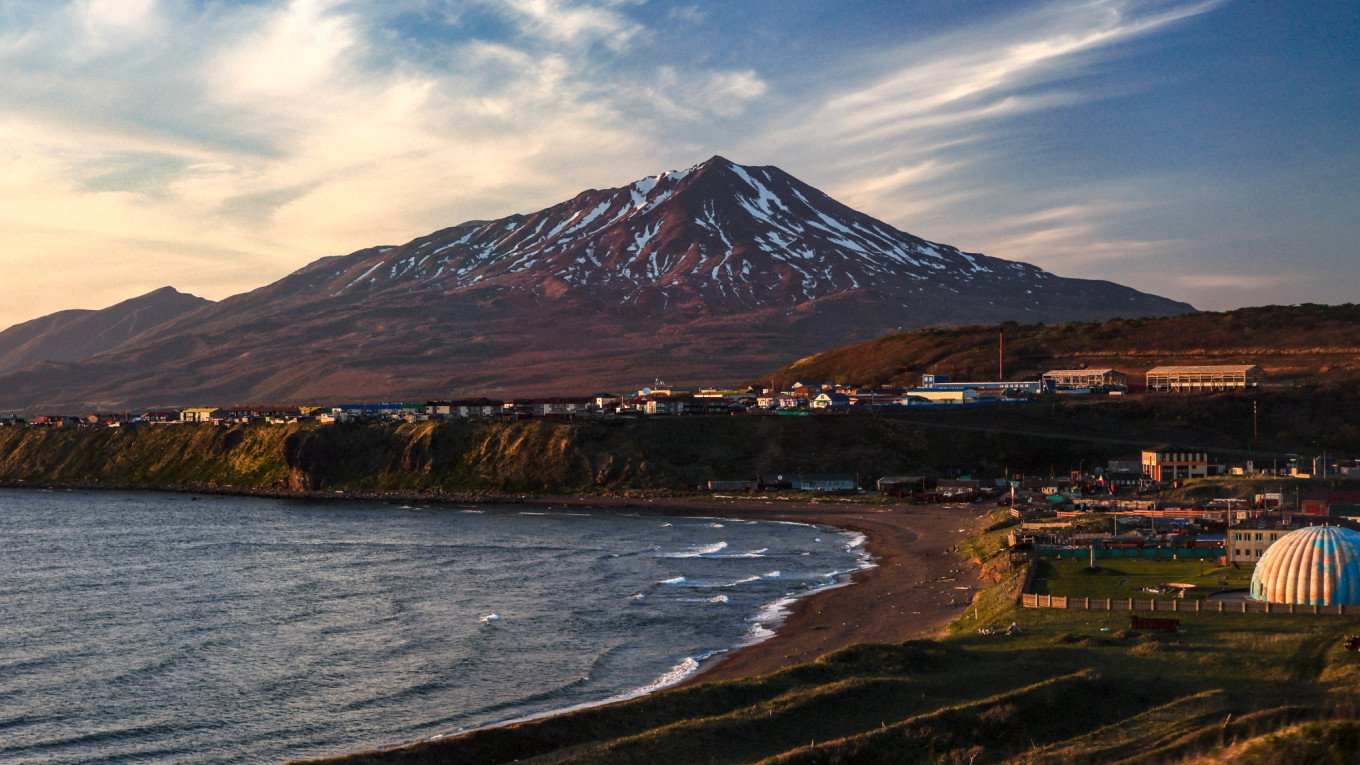
The Northern Territories, as Japan calls them, refer to four southern islands of the Kuril Islands stretching between Hokkaido and Russia’s Kamchatka Peninsula. Today, Russia administers the islands as part of its Far Eastern region. However, Japan controlled them before World War II under the 1855 treaty with the Russian Empire.
Tokyo argues the Soviet Union seized the islands illegally after Japan’s surrender in August 1945. Conversely, Moscow maintains that Allied agreements, including the Yalta wartime deal, legitimised its control in exchange for joining the war against Japan.
Because of the dispute, the two countries have never formally signed a peace treaty. Japan insists sovereignty must be resolved first, while Russia shows little interest in renewed talks. Although several countries avoid clear positions, the United States and European Union support Japan’s stance, backing its call for negotiations.
