

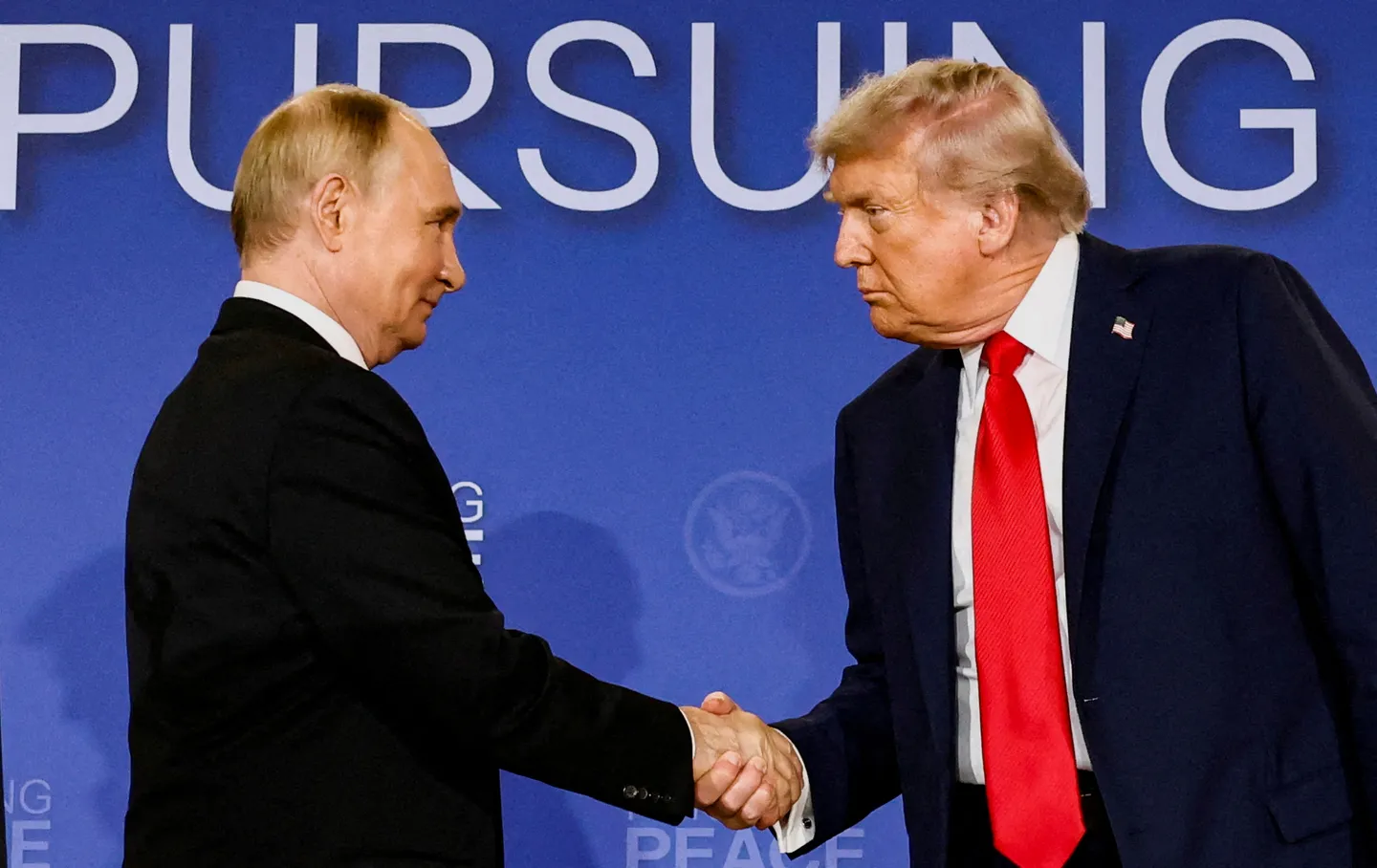

The Kremlin has welcomed changes in the United States’ newly released National Security Strategy, describing the document as a sharp break from previous U.S. policy and “largely consistent” with Russia’s own strategic worldview. The updated strategy, issued early Friday, openly criticizes Europe as over-regulated and lacking confidence, while warning of potential “civilizational erasure” driven by immigration. It also signals a more restrained American approach to global power competition, stressing that preventing dominance by other powers does not require “wasting blood and treasure” abroad.
Kremlin Interprets Strategy as Opening for Strategic Realignment
Kremlin spokesman Dmitry Peskov said the new U.S. administration represents a fundamental departure from past leadership, allowing Washington to adjust its national security doctrine in ways that align more closely with Moscow’s expectations. In an interview with Rossia state television, Peskov emphasized that President Donald Trump’s strengthened domestic position enables him to redefine long-term strategic priorities. For Moscow, the tone of the document suggests reduced U.S. appetite for broad geopolitical confrontation, a pivot the Kremlin interprets as an opportunity to advance its interests.
Ukraine Conflict Remains Central Despite Strategic Revisions
Even as Washington recalibrates its global posture, the Ukraine war continues to dominate diplomatic exchanges. Officials from Kyiv spent three days in Florida negotiating with U.S. envoys over a Washington-drafted peace proposal, but the talks ended without progress. Ukrainian President Volodymyr Zelensky reaffirmed his commitment to pursuing “real peace,” even as Russia launched additional drone and missile strikes early Saturday.
European Diplomacy Intensifies Amid Uncertain Negotiations
Zelensky is scheduled to meet European leaders — including France’s Emmanuel Macron, Britain’s Keir Starmer, and Germany’s Friedrich Merz — in London on Monday to assess negotiation prospects. With no breakthrough yet in U.S.-Ukraine talks and Russia signaling approval of shifting American priorities, the path toward ending nearly four years of conflict remains uncertain and diplomatically fraught.
