

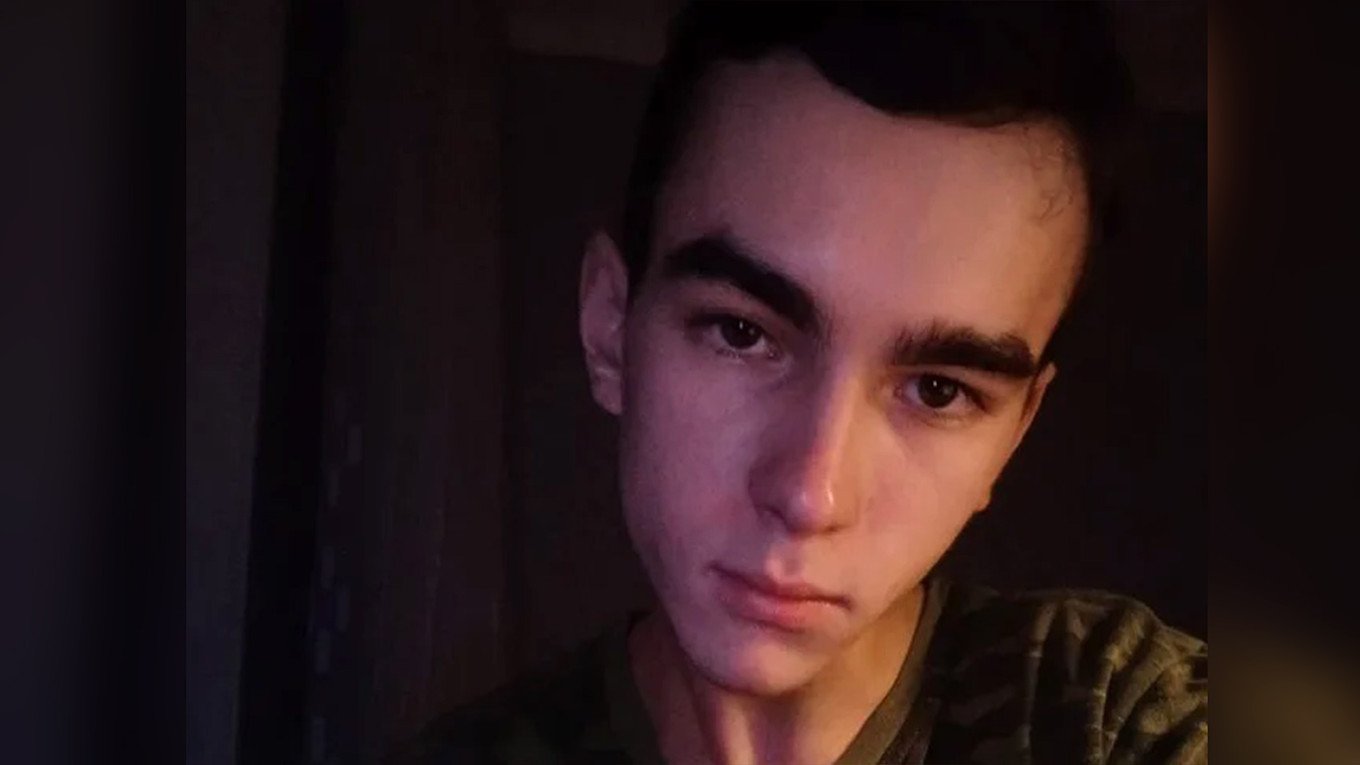

VOLGOGRAD: A Russian court has sentenced 21-year-old Andrei Glukhov, a university student with cerebral palsy, to 12 years in a maximum-security penal colony after convicting him of treason for making a small financial transfer to Ukraine.
Glukhov, a student at Volgograd Polytechnic College, was found guilty on May 29 following a monthlong trial. The charges stem from two online transfers of 1,500 rubles each—roughly $40 total at the time—made to a Ukrainian bank account in 2022.
According to his father, Eduard Glukhov, the student had been critical of Russia’s invasion of Ukraine. He allegedly came into contact with someone online claiming to be a Ukrainian citizen collecting signatures in support of peace talks. After receiving banking details, Glukhov transferred the funds.
In September 2024, Russian security agents raided the apartment Glukhov shared with his mother, seizing computers and other devices. Though he was initially released after questioning by the Federal Security Service (FSB), he was rearrested and formally charged the following month.
“My ex-wife later called and said: ‘That’s it, Andrei has been locked up in solitary,’” Eduard told Mediazona.
Despite his disability—which affects the use of his right hand and leg—Glukhov admitted guilt and cooperated with investigators, according to his father.
His case is part of a broader crackdown by Russian authorities on citizens accused of providing even minimal support to Ukraine. In mid-2024, a military court sentenced Moscow resident Nikolai Kolin to 14 years for donating 10,000 rubles (about $110) to a pro-Ukrainian paramilitary group. That same summer, dual U.S.-Russian national Ksenia Karelina received a 12-year sentence for donating approximately $50 to a Ukrainian charity. She was later released in a U.S.-Russia prisoner swap in April.
Human rights advocates have condemned these prosecutions as politically motivated and disproportionate, particularly in cases involving individuals with disabilities or minimal financial involvement.
