

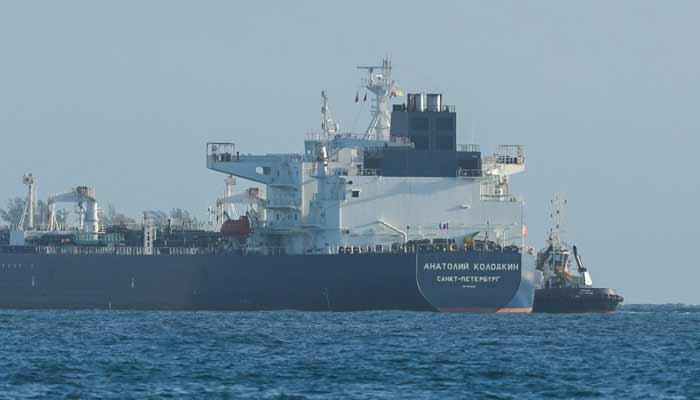
Russia is on track to collect nearly double its usual revenue from its biggest oil tax in April, hitting around $9 billion. This sharp rise comes as the energy crisis triggered by US and Israeli strikes on Iran sends oil prices soaring worldwide.
Oil Prices Surge After Hormuz Closure
Iran shut the Strait of Hormuz following the attacks at the end of February, choking off a key route that carries about one-fifth of global oil and LNG supplies. Brent crude prices quickly shot past $100 per barrel. According to Reuters calculations based on latest production data, Russia’s mineral extraction tax on oil will jump to roughly ₽700 billion ($9 billion) in April. That’s up from ₽327 billion in March and 10 percent higher than the same month last year.
The average price of Russia’s Urals crude climbed to $77 per barrel in March — its highest level since October 2023. This is well above the $59 price the government used in its 2026 budget. The Kremlin reported receiving a huge number of fresh orders for Russian energy from buyers across the globe as the crisis shakes international markets.
Challenges Could Limit Long-Term Gains
Despite the short-term boost, experts warn that Russia still faces real difficulties ahead. The country recorded a budget deficit of ₽4.58 trillion in the first three months of 2026. Ukrainian strikes on Russian energy facilities continue to hurt production and earnings. Economists inside Russia say 2026 could still turn out to be a tough year even with the current higher prices.
Future Prospects
The full size of this windfall depends heavily on how long the Iran crisis lasts. If the Strait of Hormuz reopens soon and prices drop, the extra revenue could disappear quickly.

