
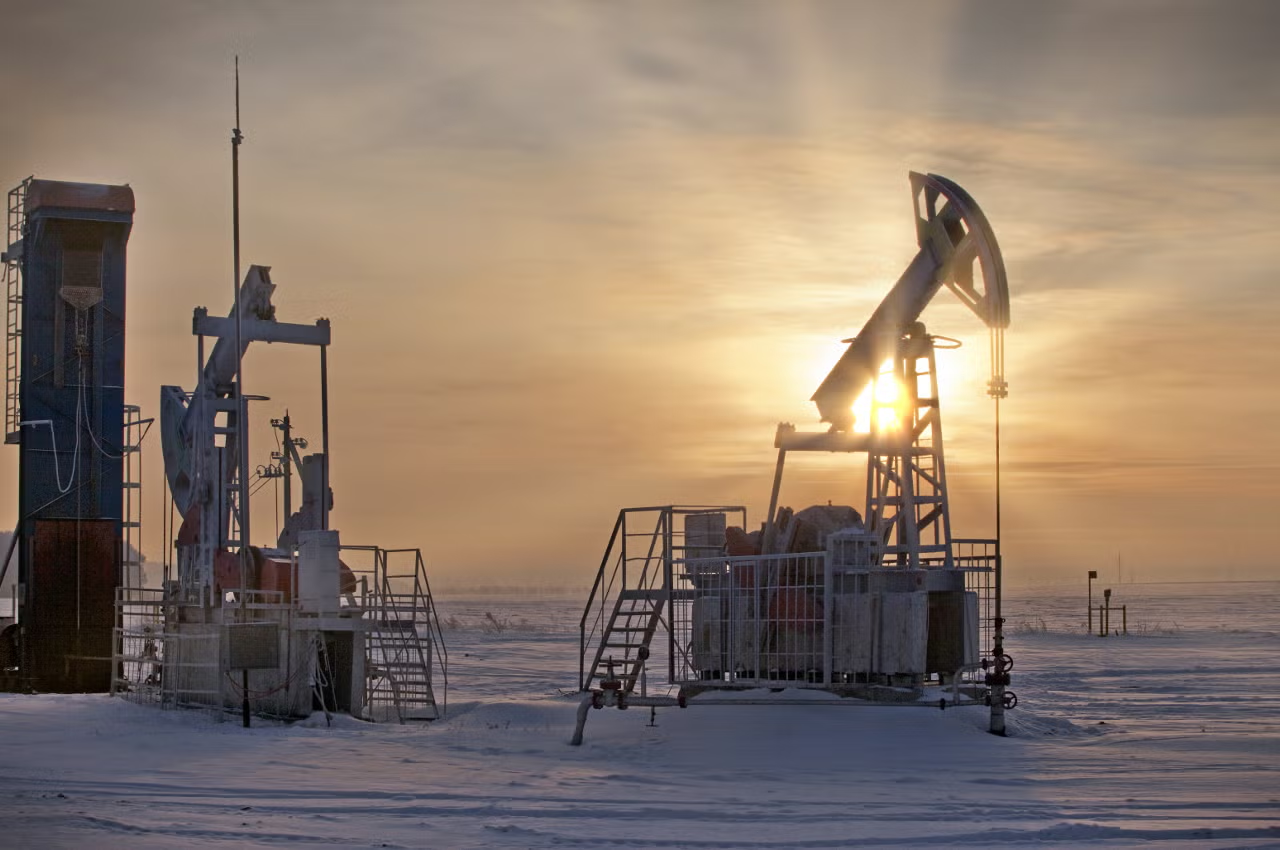

Moscow Moves to Protect Domestic Supply Amid Rising Demand
Moscow: Russia has announced a complete ban on petrol exports to global markets starting April 1, with the restriction set to remain in place until July 31. The decision, confirmed by officials and reported by international media, has already triggered volatility in global energy markets.
According to authorities, the move aims to safeguard domestic fuel supplies and stabilize prices within the country. Alexander Novak stated that the government introduced the measure to ensure consistent petrol availability for consumers and industries. He explained that seasonal factors, including increased agricultural demand and scheduled refinery maintenance, typically drive up fuel consumption during this period.
Moreover, officials emphasized that controlling domestic prices remains a priority, particularly as inflationary pressures persist. By limiting exports, Moscow seeks to maintain adequate buffer stocks and prevent internal shortages.
Global Impact Expected as Key Importers Face Supply Pressure
Meanwhile, analysts warn that the export ban could significantly affect countries reliant on Russian refined fuel. Major importers such as China, Turkey, and Brazil, along with several African nations, may face supply constraints.
Although the ban excludes members of the Eurasian Economic Union and countries with special bilateral agreements, experts caution that reduced global supply could push petrol prices higher. Furthermore, the decision comes amid heightened geopolitical tensions in the Middle East, adding further uncertainty to already fluctuating oil markets.
As one of the world’s largest oil producers, Russia plays a critical role in global energy supply. Consequently, any disruption in its exports can have widespread implications for fuel prices and economic stability worldwide.

