

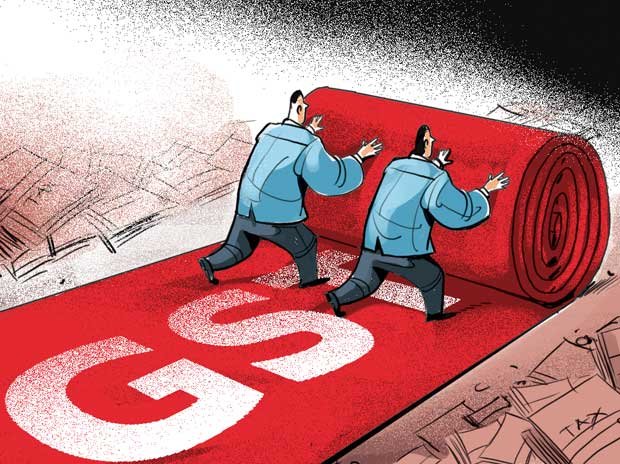

Centre and provincial govts agree on harmonisation of GST:
The National Tax Council (NTC) approved the much-awaited Place of Provision of Service Rules (PPSRs), which is a significant step towards harmonizing the general sales tax on services across the country and ultimately easing business operations.
IMF
The International Monetary Fund (IMF) has set the condition of harmonizing GST on services to unlock funding to Pakistan, which it has stalled since December, despite Pakistan implementing several tough policy decisions, including additional tax measures.
PPSRs
The PPSRs will come into effect from May 1 after the respective provincial cabinets approve them. The Sindh Revenue Board (SRB) suggested implementing the rules from July 1, while the other three provincial revenue authorities wanted the implementation from mid-April. The government is keen to secure loans from multilateral lenders to strengthen its falling foreign exchange reserves, and early implementation of the World Bank project could give some breathing space to Pakistan.
The approval and early implementation of the Place of Provision of Service Rules (PPSRs) will enable the release of a $1 billion programme loan under the Resilient Institutions for Sustainable Economy (RISE) programme of the World Bank. This loan is crucial for Pakistan as the country faces balance-of-payments issues and a significant delay in receiving a $1.1 billion tranche from the IMF.
Moreover, the implementation of the service rules is a significant step towards facilitating ease of doing business in Pakistan. The finance ministry made an official announcement stating that the NTC approved the recommendations of its executive committee regarding the draft PPSRs, which will help achieve the prior actions for the World Bank-funded programme.
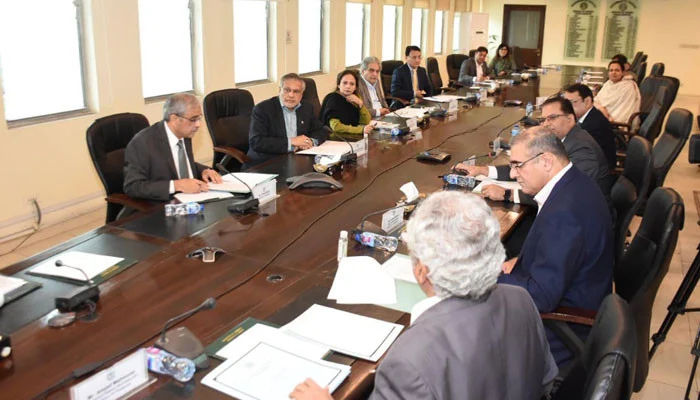
Meeting Decision
The meeting also decided to exclude electric power transmission from the list of Federal Board of Revenue (FBR) goods and treat it as a service instead. The amendment to the Sales Tax Act through the Finance Bill in the upcoming budget will implement this decision from July 1. The Sindh Revenue Board (SRB) has already proposed rules for the provision of services relating to electric power transmission, and other provincial revenue authorities will adopt similar rules.
To ensure the harmonization of rules, all provinces will have their own set of rules with the condition that there should be no significant differences.
GST
As per the agreement between provinces and the Federal Board of Revenue (FBR), advertising services and advertisement agents will be subject to sales tax according to a mutually agreed plan. The location of the beaming stations will determine the GST on TV and radio ads.
GST on still media will apply to the location of hoarding sites, and in the case of advertising agents, the tax will be collected based on the location of the agent’s office or branch.
For different insurance services such as life and health insurance, insurance of immovable property, insurance agent, re-insurance agent, re-insurance imported, and re-insurance local, the GST on services will be based on the location of the office or branches of the insurance company providing services.
Provinces have agreed that GST would apply based on the location of the franchise. They also agreed on a formula where half of the GST will go to the province of origin on transportation of goods other than petroleum services provided by companies, while the remaining half will go to the destination province. In the case of non-companies, the GST will be based on the location of the booking office on transportation of goods other than petroleum services.
For transportation of goods through pipeline or conduit and transmission through the electrical grid, the authorities will apply 50% of the GST to the origin of transportation and the remaining 50% tax to the destination province.
