

Strategic Crossroads Emerges Amid Escalating Conflict
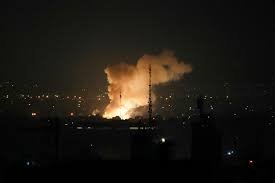
Tehran: Following reported strikes on nuclear-linked sites near Isfahan, analysts say Iran faces a narrowing set of high-risk strategic options as tensions with the United States and Israel intensify. While officials in Iran have not publicly outlined their next move, experts increasingly frame the situation as a critical turning point with far-reaching regional and global implications.
Firstly, some analysts suggest Tehran could choose restraint and avoid immediate retaliation. However, such a decision could carry domestic consequences, as leadership may face pressure from hardline factions, including elements within the Islamic Revolutionary Guard Corps. Consequently, internal political dynamics could become more volatile if restraint is perceived as weakness.
Alternatively, Iran could pursue conventional military retaliation. This would likely involve missile or drone strikes targeting Israeli or US-linked assets in the region. However, observers warn that any such move could trigger a stronger counter-response from both Israel and the United States. As a result, the conflict could escalate rapidly, reducing space for diplomatic de-escalation.
Global Economic and Security Risks Intensify
Meanwhile, another scenario involves disruption in the Strait of Hormuz, a critical route for global energy supplies. Analysts note that any attempt to block or restrict passage could significantly affect oil markets, potentially driving sharp price increases and straining global economies. In response, the United States and its allies could intervene militarily to secure shipping lanes, raising the risk of direct confrontation.
In addition, concerns persist over the possibility of nuclear escalation. Although Iran maintains that its nuclear programme remains peaceful, heightened tensions could increase fears of accelerated nuclear development. Such a scenario would likely prompt pre-emptive or preventive actions, further destabilising the region.
Importantly, international stakeholders, including major powers, continue to monitor developments closely. Countries such as China and Russia have previously called for restraint, signalling concerns about broader geopolitical fallout.
Therefore, while multiple pathways remain, each carries significant risks. Analysts emphasize that the duration of the crisis, the scale of retaliation, and the involvement of external actors will ultimately shape outcomes. As diplomatic signals remain mixed, the situation continues to evolve, with global stability increasingly tied to decisions made in the coming days.

