

The ongoing conflict between the United States, Israel, and Iran has caused significant casualties across the Middle East. The war began on February 28 after coordinated military strikes targeted Iranian positions.
Since then, violence has spread beyond Iran and Israel. Several countries across the region have reported deaths linked to the conflict. Gulf states hosting American military bases have also been affected. Regional tensions have grown rapidly as missile attacks, airstrikes, and military operations continue.
Reports from governments and humanitarian groups show that hundreds of people have died during the first days of the war. The figures represent deaths reported by different countries as of March 9. Independent verification of the exact numbers remains difficult.
The conflict has also drawn in other regional actors. Areas such as Lebanon, Iraq, and Syria have seen strikes and retaliatory attacks. Gulf nations including Saudi Arabia, Kuwait, Bahrain, Oman, and the United Arab Emirates have also reported casualties.
Iran Reports the Highest Casualties
Iran has reported the largest number of deaths so far. According to the Iranian Red Crescent Society, at least 1,230 people have been killed since the conflict began.
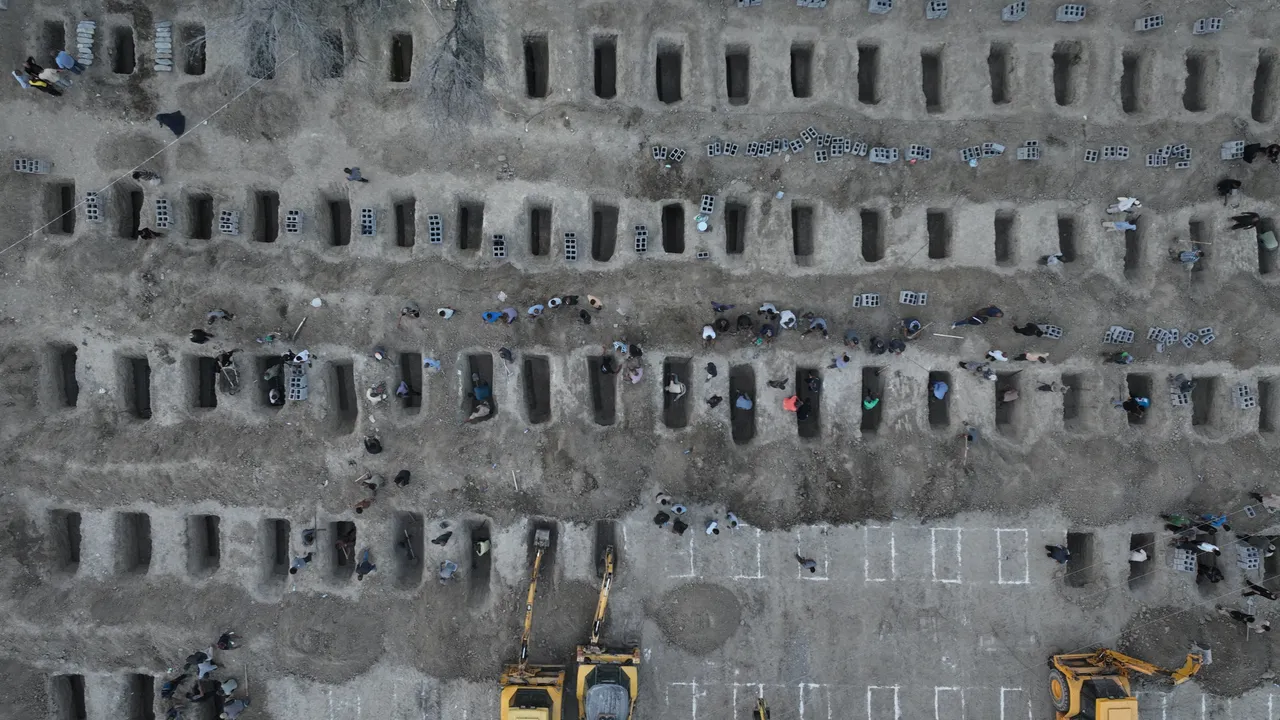
Among the victims were many civilians. One of the deadliest incidents occurred in the southern city of Minab. A missile strike hit a primary school on the first day of the war.
The attack killed 175 schoolgirls and staff members. The tragedy shocked communities across the country. It remains one of the most devastating single incidents reported during the conflict.
Iran’s military has also reported additional casualties. Officials said at least 104 people died after a US submarine sank an Iranian warship near the coast of Sri Lanka.
Those deaths were reported separately and may not be included in the overall civilian death toll.
Deaths Reported in Israel and Neighboring Countries
Israel has also confirmed casualties during the conflict. The Israel Defense Forces said two soldiers were killed in southern Lebanon during clashes with the militant group Hezbollah.
These were the first Israeli troop deaths since hostilities resumed in the area. Hezbollah launched attacks in support of Iran during the conflict.
Israeli civilian casualties have also been reported. According to emergency service Magen David Adom, eleven civilians have been killed in Iranian missile attacks.
One major strike occurred in the town of Beit Shemesh near Jerusalem on March 1. Nine people died in that single attack.
The United States military has also confirmed losses. Seven American service members have been killed during operations linked to the conflict.
Meanwhile, Lebanon has suffered heavy casualties from Israeli strikes. The country’s health ministry reports at least 394 people killed. Among them are 83 children.
Gulf States and Regional Countries Also Affected
Several Gulf countries have also experienced deaths due to the expanding conflict. In Al-Kharj in Saudi Arabia, two people were killed when a projectile landed in a residential area.
In Bahrain, one person died after a fire broke out in Salman Industrial City following a missile interception.
Kuwait has also confirmed casualties. Authorities said one child was killed during Iranian attacks. In addition, two interior ministry officers and two army soldiers died while on duty.
In Oman, a projectile struck the Marshall Islands-flagged tanker MKD VYOM near the coast of Muscat. The incident caused the death of one person on board.
The United Arab Emirates has reported four deaths linked to the conflict.
Other regional countries have also been affected. In Syria, four people died when an Iranian missile struck a building in the southern city of Sweida.
In Iraq, at least 15 people have been killed during the violence. Iraqi police sources also reported the death of a commander from the Islamic Resistance in Iraq during an airstrike on March 5.
As the conflict continues, regional tensions remain extremely high. Governments across the Middle East fear that the war could expand further if hostilities continue.

