

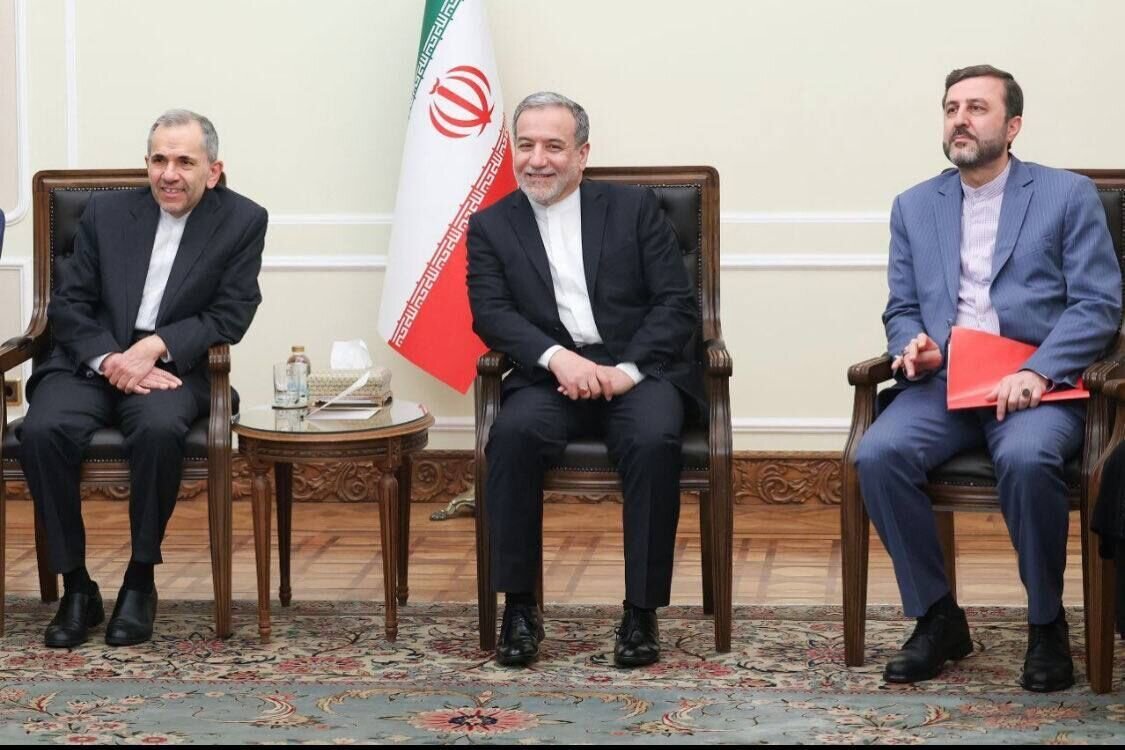

The launch of indirect nuclear negotiations between Iran and the United States in Muscat, Oman, has been widely welcomed by regional powers, who praised the move as a constructive step toward easing tensions and promoting long-term stability in the Middle East.
The high-level talks, held Saturday in the Omani capital, were facilitated by Oman’s Foreign Minister Badr bin Hamad Al Busaidi. Iran was represented by Foreign Minister Abbas Araghchi, while the U.S. delegation was led by special envoy Steve Witkoff. Over four rounds of message exchanges, held in what participants described as a “calm and respectful environment,” both sides agreed to reconvene the following Saturday, calling the initial dialogue “constructive.”
Gulf Cooperation Council Hails Oman’s Diplomacy
Jassim Mohammed al-Budaiwi, Secretary-General of the Gulf Cooperation Council (GCC), commended Oman’s role in hosting and mediating the discussions. Describing the initiative as a “wise approach” to conflict resolution, Budaiwi said Oman’s efforts reflect its longstanding commitment to promoting diplomacy and dialogue.
“The GCC countries, through their strong international partnerships, continue to advocate peaceful solutions that uphold regional stability and global security,” he stated. Budaiwi also expressed hope that the negotiations would open new channels of cooperation between Tehran and Washington.
Arab Nations Back Diplomatic Track
A number of Arab states—including Saudi Arabia, Kuwait, Qatar, Bahrain, Egypt, and Iraq—issued public endorsements of the talks, calling diplomacy the most effective path to resolving persistent regional tensions.
Saudi Arabia’s Foreign Ministry praised Oman’s mediation and expressed strong support for the dialogue, reaffirming its belief that constructive engagement is key to achieving peace in the region. Kuwait echoed these sentiments, calling the negotiations a “positive step forward” and reaffirming its commitment to dialogue and peaceful resolution of disputes.
Qatar commended the “positive spirit” of the discussions and applauded both Iran and the U.S. for their measured tone. Doha emphasized that diplomacy is central to securing peace, development, and lasting security in the region.
Iraq’s Foreign Ministry also welcomed the talks, describing the early signals as encouraging. Baghdad voiced hope that the ongoing dialogue in Muscat would reduce hostilities and help foster greater trust between the two longtime adversaries.
The first round of the U.S.-Iran talks in Oman marks a rare diplomatic thaw following years of heightened tension, and regional stakeholders are hopeful that continued negotiations will pave the way for a more stable and cooperative Middle East.
