

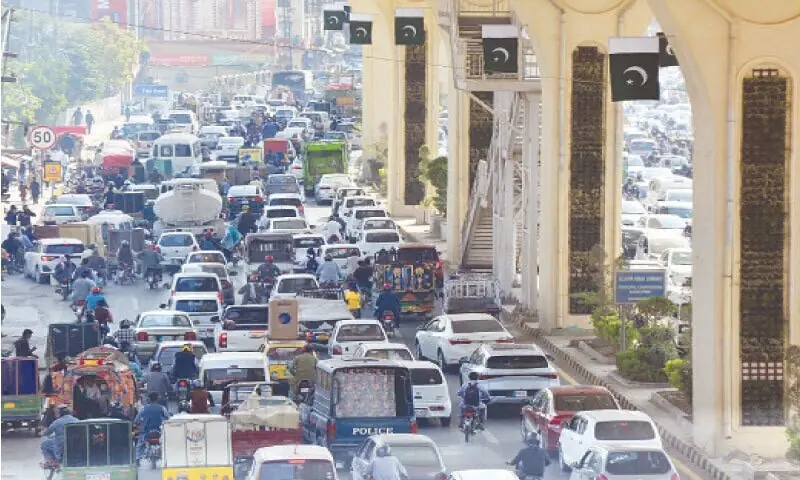

Rawalpindi’s newly implemented e-challan system has issued 600 traffic violation tickets in just four days since its introduction, marking a significant step toward automated traffic enforcement in the city.
Integration with Safe City Infrastructure
The electronic challan system has been integrated with the Safe City Command and Control Center, operating alongside existing security surveillance and traffic management infrastructure equipped with extensive camera networks throughout Rawalpindi.
Senior Superintendent of Police (SSP) Safe City Rawalpindi, Rana Abdul Wahab, disclosed these details during a media briefing at the Safe City Command and Control Headquarters on Wednesday. He was accompanied by SP Safe City Razaullah Shah and DSP Safe City Kashif Riaz.
Comprehensive Surveillance Network
Extensive Camera Coverage
Over 2,100 smart surveillance cameras have been strategically deployed across the city and surrounding areas at more than 300 locations. This network enables authorities to monitor 19 different categories of traffic violations and automatically generate electronic tickets for offenders.
The system operates around the clock, maintaining continuous surveillance and enforcement capabilities to detect all types of traffic infractions.
Automated Violation Detection
The intelligent camera system performs automatic e-ticketing when violations are detected, eliminating the need for manual intervention in most cases. Within the first four days of operation, 600 e-challans have been dispatched to vehicle owners whose vehicles were recorded committing traffic offenses.
Priority Safety Violations
Initial Enforcement Focus
During the initial implementation phase, authorities are prioritizing violations that directly threaten lives:
- Helmet violations: Motorcyclists riding without proper head protection
- Seatbelt violations: Drivers and passengers not using seatbelts
- Mobile phone usage: Operating mobile devices while driving
These three categories represent the most common causes of preventable traffic accidents and fatalities in urban areas.
Environmental Monitoring Capabilities
Beyond traffic enforcement, the Safe City system also supports environmental monitoring efforts related to smog and air quality concerns.
Air quality index devices have been installed at 41 project sites throughout the city. The Safe City infrastructure assists relevant institutions in monitoring pollution levels and identifying areas requiring intervention to combat smog.
Expansion Plans and Timeline
SSP Rana Wahab announced that the Safe City project will achieve full operational status across all tehsils of Rawalpindi by December 31. This expansion will extend automated traffic monitoring and enforcement capabilities to a wider geographical area.
Alternative Route Coverage
Addressing concerns about construction-related traffic disruptions, particularly near Kacheri Chowk, the SSP confirmed that surveillance extends beyond primary roads. The system maintains monitoring capabilities on alternative routes, ensuring comprehensive coverage even when main thoroughfares face construction activity.
Challan Processing and Appeals
Retroactive Enforcement
The system is also processing violations recorded in August, demonstrating its capability to handle historical data. All recorded infractions are being systematically converted into e-challans and sent to registered vehicle owners.
Citizen Appeal Rights
SSP Wahab emphasized that citizens dissatisfied with issued challans retain the right to appeal before a magistrate. This appeals mechanism ensures fairness and provides recourse for those who believe they received tickets in error.
Infrastructure Improvement Coordination
When questioned about poor road conditions contributing to traffic issues, the SSP acknowledged the concern and committed to writing to relevant authorities regarding road infrastructure improvements. He noted that while traffic police regulate traffic flow, infrastructure quality remains crucial for effective traffic management.
Looking ahead, authorities plan to install panic buttons throughout the city to provide emergency assistance capabilities. These additions will complement the existing surveillance infrastructure by enabling citizens to quickly summon help when needed.
SSP Wahab clarified that traffic police serve as primary custodians of traffic regulation, with their core responsibility being traffic flow management and enforcement. The automated e-challan system enhances their capability to enforce compliance without requiring physical presence at every violation location.
