

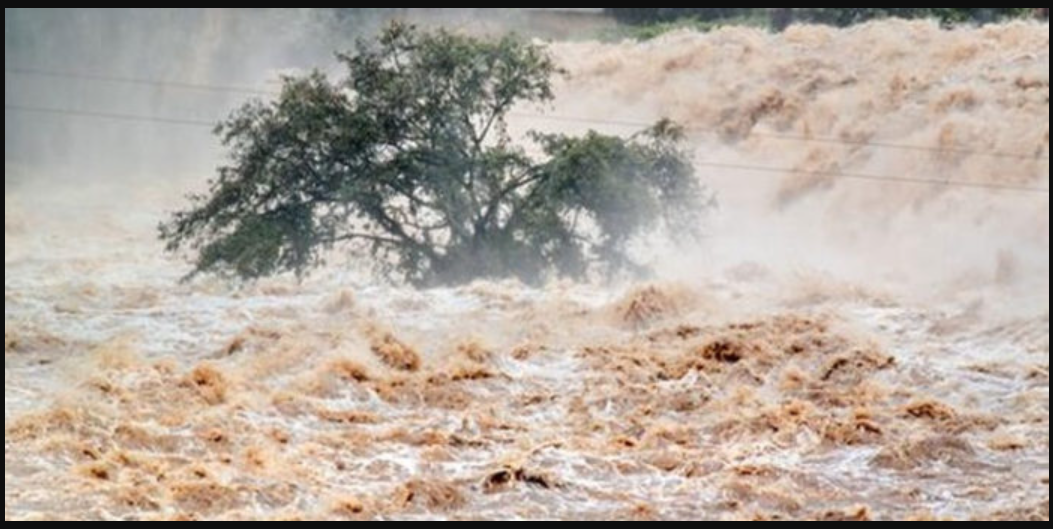

NDMA Warns of “Extreme” Situation
The National Disaster Management Authority (NDMA) has issued a severe flood warning for Punjab, citing relentless monsoon rains and India’s release of dam waters. Authorities fear that Lahore and adjoining districts may face exceptionally high flooding in the next 48 hours.
Rivers at Dangerous Levels
The Ravi, Chenab, and Sutlej rivers are swelling rapidly. At Jassar, the Ravi is carrying 170,000 cusecs and could surge to 250,000 cusecs by morning. The Chenab at Marala may rise to 690,000 cusecs, while the Sutlej at Ganda Singh Wala is already pushing 245,000 cusecs. Breaches have been reported in Narowal, Sialkot, and Shakargarh. In Zafarwal, part of Hanjli Bridge collapsed due to the force of Nullah Dek, cutting off dozens of villages.
Mass Evacuations and Army Deployment
Over 174,000 residents have already been shifted from inundated areas. Rescue teams are moving people by boats in Kasur, Narowal, and other river-adjacent regions. Punjab’s government has formally requested the deployment of army troops in six districts, including Lahore, Kasur, Sialkot, Faisalabad, Narowal, and Okara. Rescue 1122, civil defence, and local administrations remain overstretched as the crisis deepens.
India’s Dam Releases
Punjab’s Provincial Disaster Management Authority confirmed that India opened all gates of the Thein Dam on the Ravi River, with more discharges expected from the Madhopur Dam. NDMA’s satellite analysis shows the Thein Dam at 97% capacity, raising fears of further surges.
Government Response
Prime Minister Shehbaz Sharif chaired a high-level meeting, directing officials to intensify relief operations and ensure timely supplies of tents, food, and medicines. Relief camps with basic facilities have been established in Pasrur and other vulnerable areas.
Rising Human Toll
Since late June, monsoon floods have killed 802 people across Pakistan, half of them in August alone. In Indian Kashmir, 68 people have died this month, including eight on Tuesday. Officials warn that worsening climate change is accelerating rainfall and glacial melt, amplifying flood risks in both countries.
