

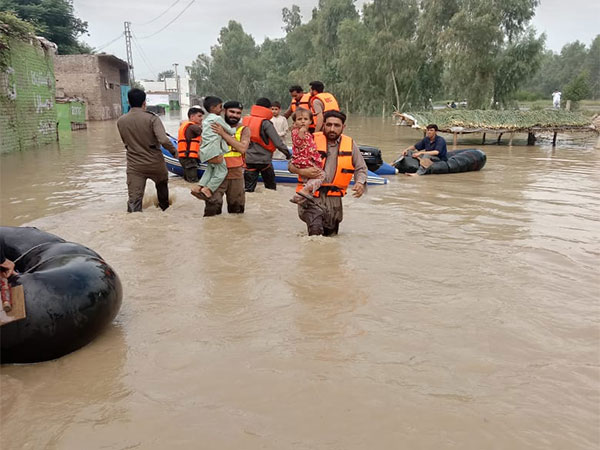

The Provincial Disaster Management Authority (PDMA) of Punjab has issued a fresh flood advisory as the province prepares for the seventh spell of monsoon rains, expected to begin on August 13. The advisory warns of potential flooding in multiple areas due to anticipated heavy rainfall and rising water levels in major rivers and their tributaries.
According to the PDMA, the upcoming rains could cause significant increases in water flow in the Sutlej, Ravi, Chenab, and Jhelum rivers, along with adjoining streams and smaller waterways. Low-lying and riverine areas are expected to face the greatest risk of inundation.
In response, commissioners, deputy commissioners, and all relevant provincial departments have been instructed to remain on high alert. Local administrations have been directed to ensure the timely evacuation of residents and livestock from areas along riverbanks. The PDMA emphasized that safety measures must be put in place well in advance to minimize potential loss of life and property.
PDMA Punjab Director General Irfan Ali Kathia urged the public to strictly avoid swimming in rivers, canals, and other water bodies during the emergency period, stressing that such activities could prove fatal in rapidly changing water conditions. Citizens have also been advised to contact PDMA’s 24-hour helpline at 1129 for assistance or in case of emergencies.
The advisory comes after recent monsoon activity wreaked havoc across Pakistan, leading to widespread urban flooding, flash floods, and landslides. The impact of the previous spell was severe, claiming over 300 lives nationwide, leaving many missing, and causing extensive damage to infrastructure.
Gilgit Baltistan, known for its popular tourist destinations, was also severely affected. Last month, intense rains triggered flash floods and landslides in the mountainous region, killing at least 10 people and injuring four others, according to regional authorities. Roads, bridges, and homes were damaged, disrupting local communities and tourism activities.
In the aftermath, the federal government announced a Rs4 billion relief and rehabilitation package for Gilgit Baltistan. Prime Minister Shehbaz Sharif personally visited the affected areas to oversee relief efforts and distribute compensation cheques to the victims’ families. Each family who lost a loved one received Rs1 million in financial assistance. During his visit, the prime minister expressed solidarity with the flood-affected communities, offered prayers for the deceased, and wished a swift recovery for the injured.
Acknowledging the broader environmental challenge, the prime minister noted that Pakistan is among the countries most vulnerable to climate change. He emphasized the need for advanced flood warning systems and enhanced disaster preparedness to reduce risks from future extreme weather events.
With the new monsoon spell approaching, the PDMA’s warning serves as a call to action for both authorities and citizens to remain vigilant. Timely evacuation, adherence to safety guidelines, and readiness to respond to emergencies will be crucial in minimizing the impact of the expected flooding.
