


In a major step toward preserving Punjab’s cultural and historical legacy, the provincial government has officially designated Taxila, Harappa, and Bhera as “Heritage Cities.” The initiative forms part of a broader heritage preservation programme, with a substantial Rs60 billion allocated for the restoration and development of 60 key archaeological and historic sites across the province.
This initiative not only seeks to conserve invaluable historical assets but also aims to elevate Punjab’s profile on the global tourism map, encouraging economic activity through cultural tourism and infrastructural development.
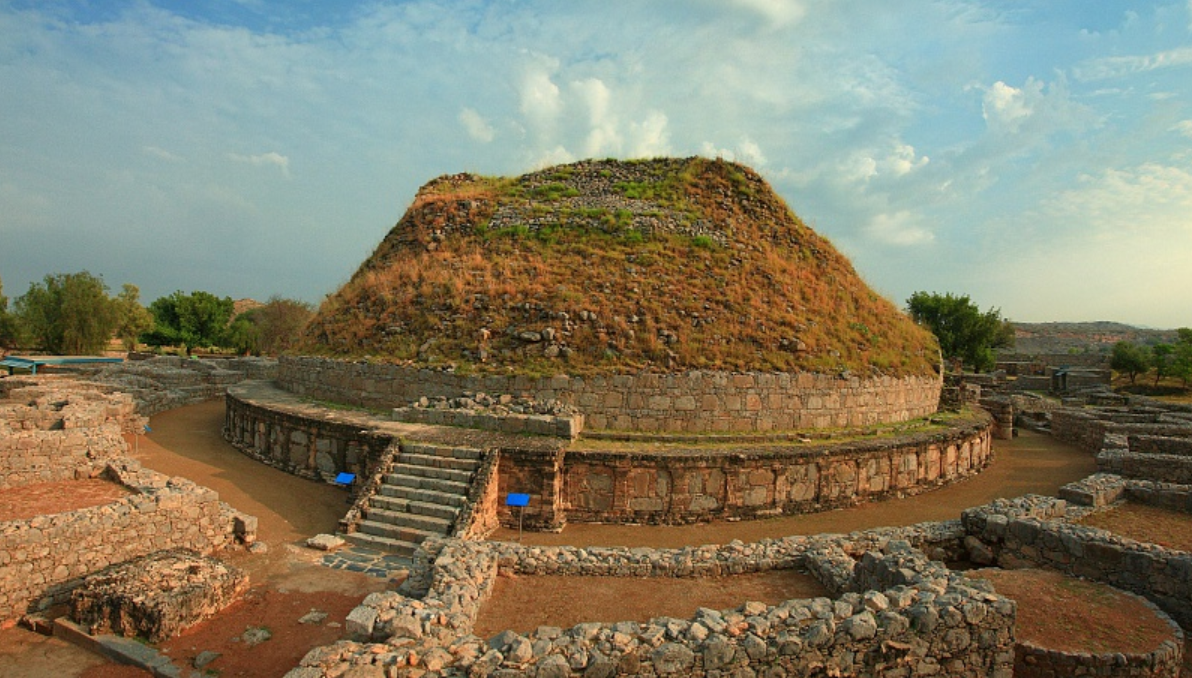
According to Raja Jahangir Anwar, Secretary for Tourism and Archaeology, the ancient city of Taxila will hold a special status as an “International Heritage City.” Recognised for its profound historical importance, particularly its role in the Gandhara civilisation and its sacred Buddhist connections, Taxila has been given a central place in the plan.
Chief Minister Maryam Nawaz Sharif referred to Taxila as the “City of Civilisations,” paying tribute to its rich historical narrative. A dedicated Taxila Heritage Authority has been formed to oversee the preservation and development of the site. The authority has been granted an independent master plan, exclusive funding, and administrative powers to manage the process effectively.
In the first phase, restoration efforts will include the rehabilitation of roads, enhancement of tourist infrastructure, and renovation of key attractions like museums and local craft centres. The second phase will involve more immersive features such as an open-air museum, a Gandhara Art Village, and the preservation of ancient architectural landmarks to further enrich the tourist experience.
The historic city of Harappa, a crucial site of the Indus Valley Civilisation, has also been prioritised in the initiative. While it hasn’t received an independent authority or tailored master plan like Taxila, it remains part of the 60 strategic sites selected for restoration. Planned upgrades include modernising archaeological sites, improving museum facilities, and enhancing excavation zones to align with global standards. These improvements aim to attract international tourists and elevate Harappa’s historical standing.
Meanwhile, the ancient city of Bhera, home to over 350,000 people, will see its old quarter undergo extensive preservation work. Known for its nine iconic gates, intricate wooden architecture, Sufi shrines, narrow streets, and centuries-old bazaars, Bhera holds deep cultural value. Although the city currently lacks a separate authority or master development plan, restoration activities are already underway under the broader heritage initiative. A PC-1 is in development to formally transform Bhera’s historic sector into a designated heritage zone.
This wide-ranging cultural preservation project reflects the Punjab government’s commitment to safeguarding its ancient roots while also tapping into the socio-economic potential of heritage tourism.
