

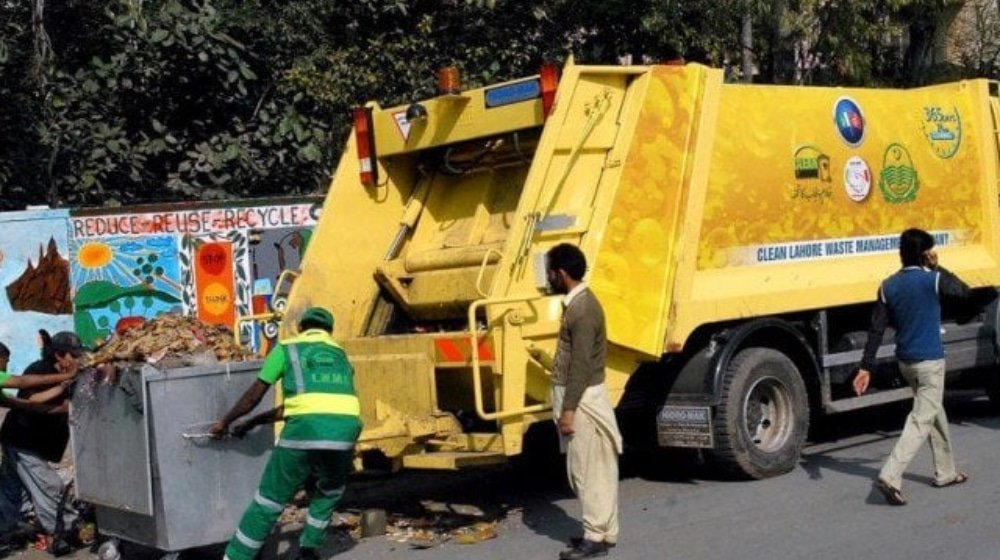

The Punjab government has recently announced the finalization of a cleanliness fee aimed at generating approximately Rs68 billion in revenue from properties across both urban and rural areas of the province. This new fee structure, once implemented, will apply to houses, shops, and businesses, varying based on property size and type.
For urban areas, the fee will range as follows for houses: Rs300 per month for five-marla houses, Rs500 per month for 10-marla houses, Rs1,000 per month for 20-marla houses, Rs2,000 per month for houses ranging from 20-marla to one kanal, and Rs5,000 per month for properties exceeding 40 marla. Small businesses will be taxed at Rs500 per month, medium businesses at Rs1,000 per month, and large businesses at Rs3,000 per month.
In rural areas, the fee structure will be more uniform: Rs200 per month for five and 10 marla houses, and Rs400 per month for properties of 10 marla and above.
The Punjab government justifies this imposition as necessary to fund comprehensive cleaning and sanitation efforts across the province. The revenue generated is intended to support cleanliness standards and effective waste disposal systems.
However, the government has not yet issued a notification regarding the implementation of these fees. Once this notification is issued, the timeline for commencement of fee collection will be determined.
This move has sparked various reactions among property owners and businesses, with concerns raised about the financial burden, particularly for larger properties and businesses. Some stakeholders have expressed support, viewing it as essential for improving public health and environmental conditions.
In summary, the Punjab government’s decision to introduce a cleanliness fee reflects its commitment to enhancing sanitation infrastructure and environmental health, although its implementation and impact remain subjects of ongoing debate and scrutiny among affected communities and stakeholders.
