

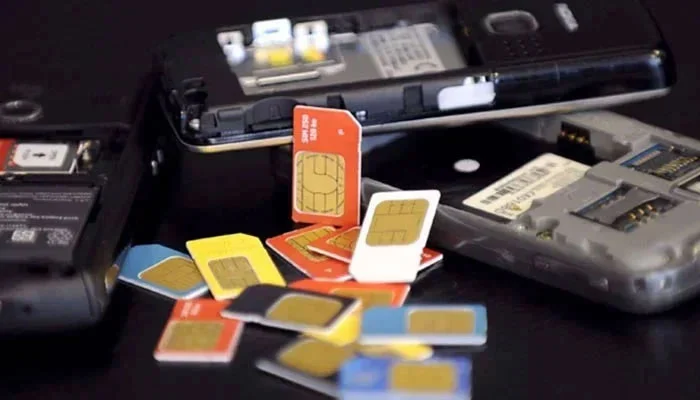

The Pakistan Telecommunication Authority (PTA) has issued a serious warning about a new scam that targets individuals by stealing thumb impressions, fingerprints, and other biometric data.
According to the PTA, scammers often lure unsuspecting people—particularly women—by offering free SIM cards or fake financial aid schemes to trick them into providing sensitive biometric information. These illegally obtained SIMs are frequently used for criminal activities, including identity theft and financial fraud.
The authority reminded citizens that handing over a SIM card registered in your name to someone else is a punishable offense under Pakistani law. PTA urged everyone to remain vigilant and avoid sharing personal or biometric data with unverified sources.
Meta and PTA Launch Awareness Campaign
In a related initiative, Meta, in collaboration with PTA and the educational platform EYEYAH!, has launched a digital awareness campaign titled “Is This Legit?”. The campaign is designed to educate Pakistanis about common online scams and fraudulent tactics. It forms part of Meta’s broader Asia-Pacific program, active in over 15 countries, promoting digital safety and literacy.
Chairman PTA, Major General (R) Hafeez Ur Rehman, highlighted the importance of public awareness, calling the campaign a continuation of the authority’s efforts to create a safe and informed digital environment in Pakistan.
Dania Mukhtar, Head of Pakistan Public Policy at Meta, explained that while the platform actively removes scammers, fraudsters constantly adapt their methods, often targeting multiple apps and websites simultaneously. She added:
“Awareness and education are powerful tools. Through this campaign, we aim to help people spot common red flags in an engaging way, empowering them to stay safe online.”
Mukhtar also expressed gratitude to the PTA for supporting the campaign, emphasizing their shared mission to equip users with the knowledge and resources to navigate the internet securely.
