
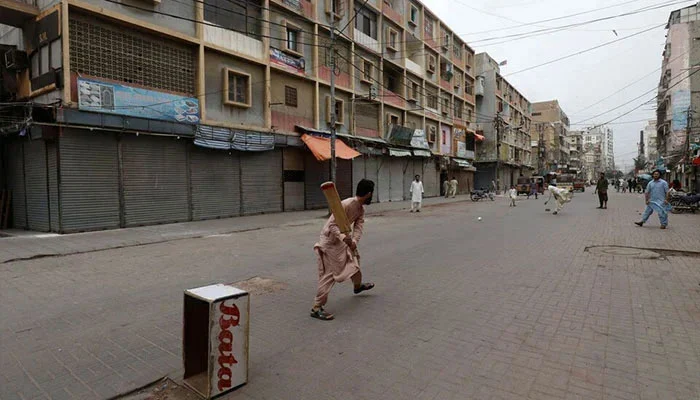

Federal Proposal Faces Strong Provincial Resistance
A proposal for a nationwide smart lockdown has faced strong opposition in Pakistan. The plan was discussed during a high-level meeting led by Asif Ali Zardari in Islamabad.
According to sources, provincial governments rejected the idea of imposing uniform restrictions across the country. They expressed concerns about the economic impact and feasibility of a nationwide approach. As a result, the proposal could not gain consensus.
Officials reviewed different options to manage the current economic challenges. However, disagreements between the federal and provincial governments stalled progress. Provinces preferred localized decision-making instead of a centralized policy.
The discussion highlighted the complexity of balancing public safety and economic stability. Leaders stressed the importance of protecting livelihoods while addressing emerging risks.
Sub-Committee Formed to Review Targeted Measures
To move forward, the government formed a sub-committee to reassess the smart lockdown proposal. The committee includes provincial finance ministers and key officials. It is tasked with reviewing targeted restrictions and presenting updated recommendations.
Sources said the committee will meet soon to evaluate practical solutions. The focus will remain on localized or “smart” measures rather than blanket restrictions. This approach aims to reduce economic disruption while managing risks effectively.
The federal government also urged provinces to support a Rs254 billion relief package. Officials emphasized the need for a coordinated national response. They said shared responsibility is crucial during challenging times.
Participants in the meeting agreed to strengthen coordination between federal and provincial authorities. They acknowledged that joint efforts are essential for effective crisis management.
Rising Oil Prices Add Pressure on Economy
Pakistan is also dealing with the economic fallout of rising global oil prices. The increase is linked to the ongoing conflict involving Iran, the United States, and Israel.
The crisis has disrupted energy markets worldwide. Iran’s actions in the Strait of Hormuz have reduced oil shipments. This has caused a sharp rise in fuel prices.
Brent crude prices have surged significantly this month. Global benchmarks have recorded their highest gains in years. This trend is increasing financial pressure on countries like Pakistan.
The situation has also raised concerns about regional stability. Attacks linked to groups in Yemen have added to the uncertainty. Shipping routes around the Red Sea and Arabian Peninsula are at risk.
In response, Pakistani leaders are focusing on austerity measures. These include energy conservation and reduced fuel consumption. The goal is to manage resources more efficiently during the crisis.
Officials believe that careful planning and coordination can help reduce the impact. However, uncertainty remains high as global tensions continue.
The rejection of a nationwide lockdown shows the challenges of policymaking in such conditions. Balancing economic needs with safety measures remains a key priority for the government.

