


The Pakistan Peoples Party (PPP) has briefed its members of the provincial assembly (MPAs) in Sindh about the upcoming agricultural tax implementation, sources confirmed on Sunday.
This move comes amid growing pressure from the federal government to increase tax revenue. Legislative preparations for the agricultural tax in the province have been finalized.
During a meeting at the Chief Minister’s House on Saturday, Sindh Chief Minister Murad Ali Shah updated the parliamentary party on the legislation surrounding the agricultural tax. He explained that the tax is essential to meet the conditions set by the International Monetary Fund (IMF), which approved a new $7 billion loan for Pakistan in September. This funding is contingent on the implementation of “sound policies and reforms” to stabilize the country’s economy. The CM also noted that both Punjab and Khyber Pakhtunkhwa have already enacted similar agricultural tax laws.
The IMF’s approval of the loan included a $1 billion disbursement to Islamabad and came with the requirement of implementing reforms, including the agricultural tax, to strengthen macroeconomic stability.
A cabinet meeting has been scheduled for Monday at the Chief Minister’s House to review and approve the legal draft of the agricultural tax. Following cabinet approval, the legislation will be formally presented in the Sindh Assembly.
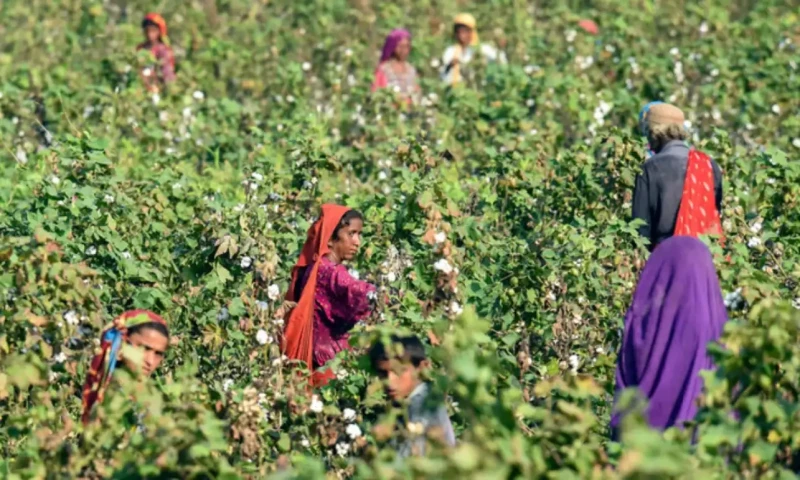
Sources indicated that the agricultural tax, which will also apply to agriculture and related livestock nationwide, is expected to range between 15% and 45% in Sindh.
While PPP MPAs have expressed their concerns and opinions on the matter, there has been significant pressure from the federal government to proceed. Punjab approved its agricultural tax on November 14, while Khyber Pakhtunkhwa followed suit on January 27.
Economist Kaiser Bengali suggested that while agriculture should be taxed further, available data indicates that 80% of farmers are small-scale and do not fall within the tax net. The remaining large landlords, who number fewer than 1,000, would contribute most of the tax revenue. However, even if they were fully taxed, the total revenue would remain limited due to the small number of taxpayers.
