
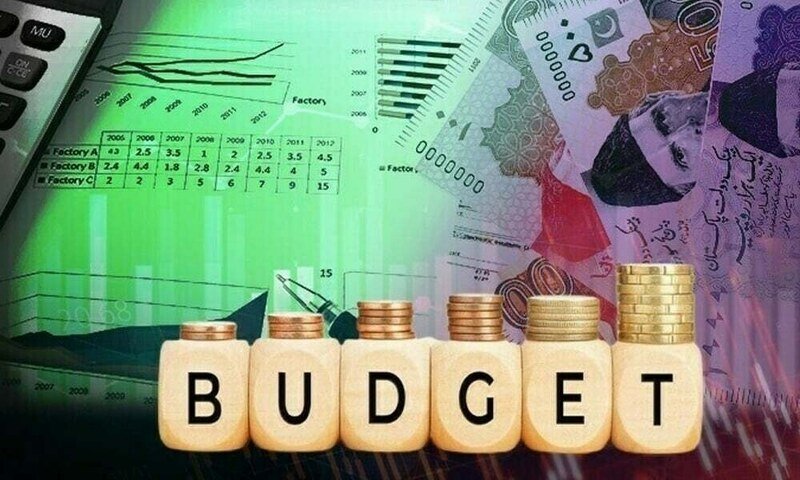

Government Rules Out New Taxes Before June Budget
Prime Minister Shehbaz Sharif has decided not to introduce a mini-budget before the FY2026-27 federal budget. The decision was taken during high-level meetings held on Tuesday. Several proposals were presented to increase government revenue. However, the prime minister rejected all suggestions for new taxes.
Officials had recommended both new tax measures and increases in existing rates. These proposals aimed to manage fiscal pressure. But the prime minister made it clear that no supplementary budget would be announced before June 2026. This move signals relief for citizens and businesses.
The government wants to avoid sudden financial shocks. Surprise tax measures often create uncertainty in the market. By rejecting a mini-budget, the leadership aims to maintain economic stability. This decision is also expected to improve public confidence.
Focus on Public Relief Amid Inflation Concerns
Prime Minister Shehbaz Sharif has directed all departments to avoid putting extra burden on the public. Citizens are already facing high inflation. Fuel prices have reached record levels. Household expenses continue to rise across the country.
The government acknowledges growing financial stress among people. Businesses are also struggling with increased operational costs. In this situation, new taxes could worsen economic pressure. That is why the leadership has chosen a cautious approach.
The prime minister emphasized the need for responsible governance. He instructed ministries to focus on efficiency instead of new taxation. The goal is to manage existing resources better. This strategy aims to support economic recovery without harming consumers.
Budget Timeline and Economic Review Underway
The government has also decided against presenting the federal budget in late May. Instead, the FY2026-27 budget will likely be announced in early June. Officials expect the budget to be presented in the first or second week of the month.
Economic teams have been given new instructions. They are reviewing spending plans and revenue targets. This reassessment is being done in light of the current regional situation. Global and regional economic challenges are influencing local planning.
The government wants a balanced and realistic budget. Authorities are working to align fiscal policies with ground realities. This includes careful evaluation of expenditures and revenue streams.
The decision to delay the budget slightly allows more time for planning. It ensures that policies are practical and sustainable. Experts believe this approach may lead to better financial management.
Overall, the government’s stance reflects a focus on stability and public relief. By avoiding a mini-budget, it reduces uncertainty. It also signals a commitment to easing economic pressure on citizens.

