


Meter Readers to Be Phased Out in One Month
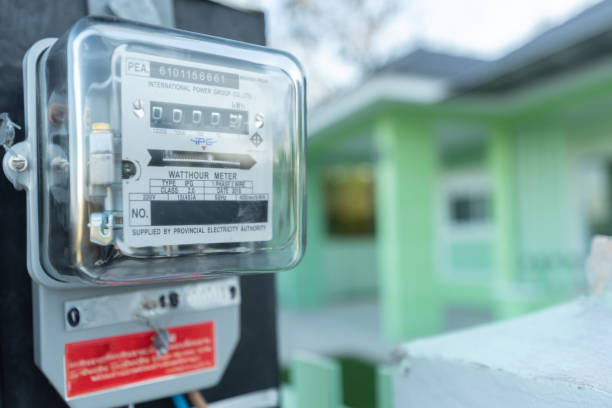
Prime Minister Shehbaz Sharif has approved the rollout of a mobile application-based system titled “Apna Meter Apni Reading”, aimed at eliminating consumer overbilling and gradually phasing out meter readers across all power distribution companies (Discos), excluding K-Electric (KE), sources told Business Recorder.
The Prime Minister has given the Power Division a one-month deadline to prepare a comprehensive plan for the complete removal of manual meter reading. The move comes amid persistent consumer complaints about inflated bills and billing errors caused by the current system, which relies on photographs of meters taken by readers and submitted to the Power Information Technology Company (PITC).
Digital Billing Shift
During a high-level meeting on June 17, 2025, chaired by the Prime Minister, officials discussed strategies to end overbilling and transition to a fully automated, consumer-driven billing system. The newly introduced Power Smart App will include multilingual support—featuring Urdu and four regional languages: Punjabi, Sindhi, Pashto, and Balochi—to ensure nationwide accessibility.
A soft launch of the Apna Meter Apni Reading app has been ordered immediately, allowing authorities to detect and fix any technical or operational issues ahead of its formal national launch.
Consumer Savings and Awareness
The Prime Minister has directed that the cost savings from eliminating meter reader-related administrative expenses be passed directly to consumers in the form of financial benefits. Additionally, a nationwide media campaign—developed in partnership with the Ministry of Information and Broadcasting—is being prepared to educate the public on how to use the new system.
The campaign, budgeted at Rs316 million, will be reviewed by the Prime Minister within the week. PITC has instructed all Discos to begin awareness initiatives in their respective regions.
Public Awareness Strategy
A comprehensive Terms of Reference (ToR) has been finalized, detailing the objectives, scope, and methodology for the public education campaign. A responsibility matrix has also been developed, assigning clear roles to PITC and MEPCO. Key campaign components include:
- Media planning and placement
- Vendor selection and coordination
- On-ground activation efforts
- Continuous monitoring and reporting
Discos have contacted the PITC CEO to clarify their financial obligations for the campaign and whether promotional materials—such as banners, boards, and standees—will be centrally supplied or locally procured. They have also requested PITC to explore avenues for free airtime on television and radio to broadcast public service messages.
Emphasis on Testing and Reliability
Recognising the importance of a smooth digital transition, Discos have underscored the need for rigorous testing and validation of all digital platforms before public use. This includes:
- Power Smart App
- Apna Meter Apni Reading
- CCMS+
- Lineman Mobile Solution
Sources confirmed that PITC has been assigned responsibility for ensuring the performance, user experience, and reliability of these tools. All development and implementation must adhere to formal government procedures, with transparent documentation to ensure compliance.
The initiative marks a major step toward digital transformation in Pakistan’s power sector, aiming to rebuild consumer trust, reduce billing errors, and enhance operational efficiency across the country.
