
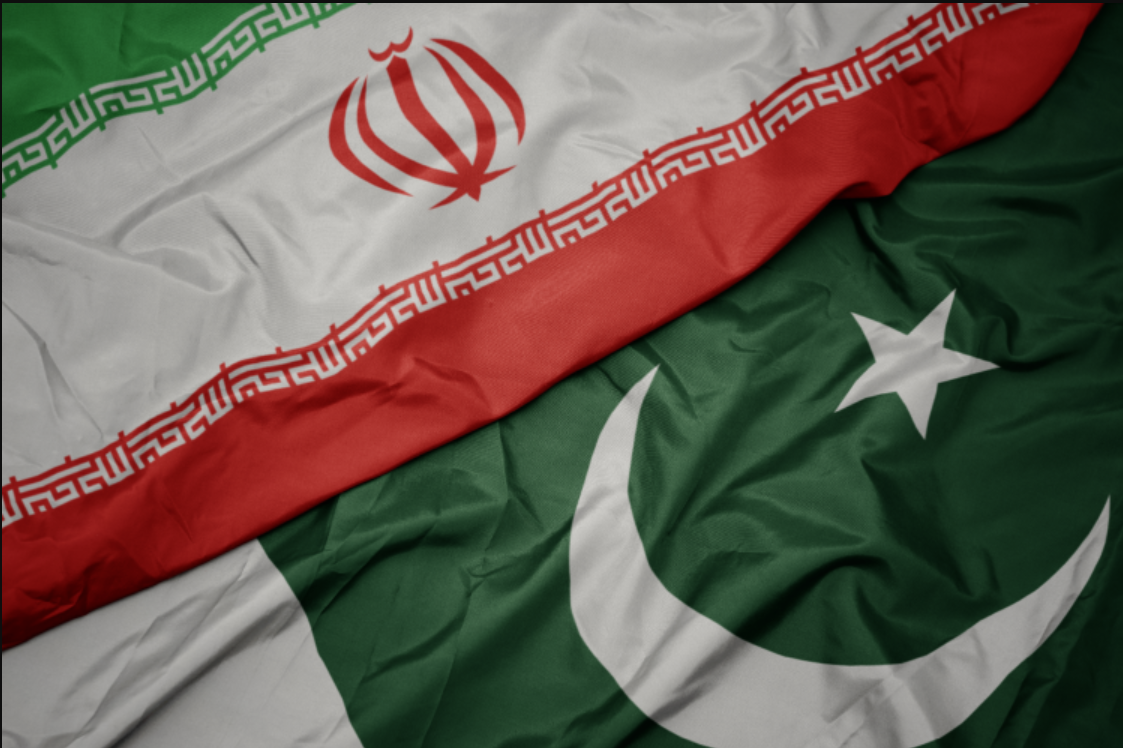

Fresh diplomatic engagement between the United States and Iran has sparked new optimism. Pakistan may revive its long-delayed gas pipeline project with Iran.
The talks, currently underway in Islamabad, have shifted market sentiment. As a result, analysts now see a potential breakthrough in regional energy cooperation.
If negotiations succeed, restrictions on Iran could ease. Consequently, stalled projects may finally move forward.
Background of the Long-Delayed Project
Pakistan and Iran signed the gas pipeline agreement in 2009. Later, both countries formally inaugurated the project in 2013.
The pipeline aimed to transport natural gas from Iran to Pakistan. Additionally, plans included an oil pipeline and a refinery in Gwadar.
However, progress stalled due to international sanctions on Iran. Therefore, Pakistan could not proceed with construction on its side.
Sanctions Remain the Key Obstacle
For years, sanctions have limited Pakistan’s ability to advance the project. Despite this, Iran completed its section of the pipeline.
Pakistan, on the other hand, has yet to begin construction. Officials previously cited legal and financial risks linked to sanctions.
Now, ongoing US-Iran talks have raised hopes of change. If sanctions ease, Pakistan could reconsider its position.
Thus, the project may return to the national energy agenda.
Energy Security Concerns Drive Urgency
Recent regional tensions have exposed vulnerabilities in global energy routes. In particular, the Strait of Hormuz remains a critical chokepoint.
Disruptions in this route can quickly impact oil and gas supplies. Therefore, countries are exploring alternative options.
A direct pipeline from Iran could offer Pakistan a stable supply. Moreover, it would reduce reliance on maritime routes.
This shift could improve long-term energy security.
Pakistan’s Growing Energy Needs
Pakistan currently relies heavily on imported energy. Around 85 percent of its oil comes from foreign sources.
In addition, the country depends on liquefied natural gas from Qatar. This reliance increases exposure to global price fluctuations.
Consequently, domestic energy shortages remain a challenge. A pipeline project could help address these issues.
It would also provide a more consistent and potentially cost-effective supply.
Iran Signals Continued Willingness
Iran has shown readiness to move forward with the agreement. Officials indicate that the gas supply deal could be extended.
This willingness strengthens the possibility of future cooperation. However, practical progress depends on broader geopolitical developments.
Therefore, both sides must navigate diplomatic and economic challenges carefully.
What Lies Ahead for the Project
The future of the pipeline depends largely on the outcome of US-Iran negotiations. Positive developments could unlock new opportunities.
At the same time, uncertainties remain. Political dynamics and market conditions will shape final decisions.
In conclusion, renewed dialogue has revived interest in a long-stalled project. If conditions improve, the Pakistan-Iran pipeline could become a key pillar of regional energy stability.

