

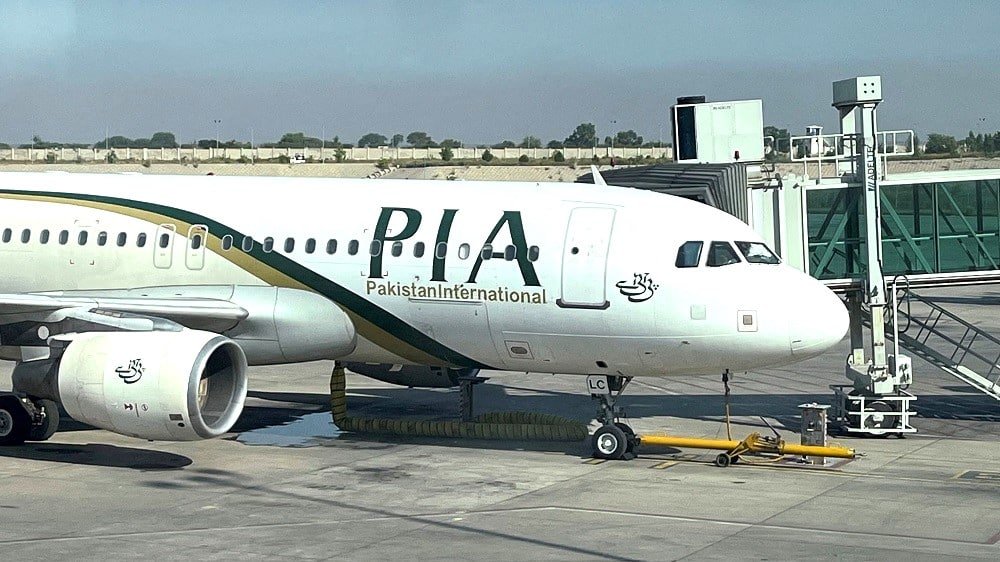

Pakistan International Airlines (PIA) has announced a remarkable financial turnaround, posting a pre-tax profit of Rs11.5 billion for the first six months of 2025. The achievement is especially significant as it marks the national carrier’s first half-year profit in nearly two decades. The airline, now part of PIA Holding Company, has long struggled with losses and mounting debt, but recent developments have fueled optimism about its future.
First Profit Since 2004
A source confirmed that PIA’s latest financial performance represents its first such profit since 2004. The airline also reported a net profit of Rs6.8 billion for the same period. In comparison, the first half of 2024 saw the carrier operating at a loss before taxes, although it narrowly posted an annual profit due to deferred tax adjustments.
Key Factors Behind the Profit
Several factors contributed to PIA’s return to profitability. The most decisive element was a sharp reduction in finance costs after the government took responsibility for nearly 80% of the airline’s legacy debt in 2024. While high fuel and service costs remain a burden, the financial relief created much-needed breathing space for operations.
Despite the profit, PIA’s equity remains negative, highlighting that the turnaround is fragile and sustained efforts will be required to maintain stability.
Privatisation Efforts and IMF Bailout
The return to profitability comes as the government prepares for the airline’s privatisation later this year. The move is a key condition under Pakistan’s $7 billion International Monetary Fund (IMF) bailout, which requires divestment of struggling state-owned enterprises.
The upcoming sale would represent the country’s first major privatisation in almost 20 years. Interest has already been shown by several major domestic groups, including Airblue, Lucky Cement, Arif Habib Investment, and Fauji Fertilizer. Final bids are expected to be submitted before the year ends.
Lucrative UK Routes Reopen
Another positive development for PIA was the lifting of a five-year ban on Pakistani airlines by the United Kingdom in July 2025. The ban had been imposed after the 2020 plane crash and a pilot licensing scandal. With access restored, PIA can now reapply for highly profitable routes to London, Manchester, and Birmingham.
The airline had previously estimated an annual revenue loss of around Rs40 billion due to the suspension of flights to the UK. The reopening of these routes, combined with approvals from the European Union late last year, offers significant potential for revenue growth.
Looking Ahead
Although challenges remain, including persistent operating costs and the need for structural reform, PIA’s first-half profit represents a milestone in its troubled history. If privatisation proceeds successfully, and with the reopening of European and UK routes, the airline may be on track for a sustainable turnaround.
The national carrier’s recovery is closely tied to the success of the government’s broader economic reforms and its ability to meet IMF conditions. For now, PIA’s Rs11.5 billion pre-tax profit provides a hopeful sign of progress after years of turbulence.
