
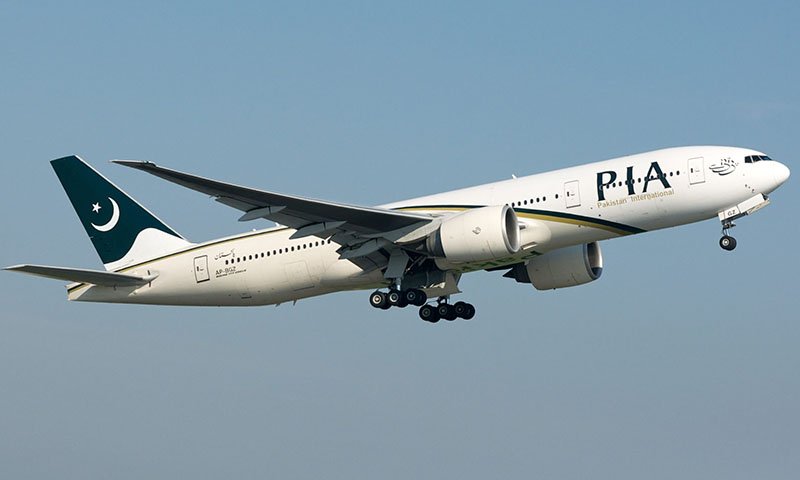

A flight operated by Pakistan International Airlines narrowly escaped danger after a missile strike occurred near Fujairah Airport during landing. The incident created panic among passengers and highlighted growing risks to aviation amid regional tensions.
Flight PK-175 landed safely at around 6:00 a.m. The aircraft was carrying 123 passengers and 8 crew members. Despite the nearby explosion, no injuries were reported.
The missile reportedly struck an area close to a naval headquarters near the airport. Thick smoke briefly covered the surroundings. This caused fear and confusion inside the aircraft as it approached the runway.
Safe Landing Despite Mid-Air Tension
According to airline officials, the situation was handled professionally by the flight crew. The pilot continued the landing process and safely brought the aircraft to the ground.
Passengers onboard experienced moments of anxiety as smoke was visible outside. However, the landing was completed without any technical issues.
Another flight, PK-173, had also arrived from Islamabad around the same time. Both flights were part of regular operations to the United Arab Emirates.
A spokesperson confirmed that return flights faced minor delays. However, both aircraft later departed safely. They reached Lahore and Islamabad without any incidents.
Rising Security Concerns in Middle East Airspace
The incident comes amid escalating tensions in the Middle East. Ongoing conflict involving Iran, United States, and Israel has increased risks for aviation.
Airlines are now facing major operational challenges. Several routes have been altered due to safety concerns. Airspace closures have forced carriers to take longer and less efficient paths.
PIA has recently received approval to operate two daily flights to the United Arab Emirates. These include routes to Dubai and Abu Dhabi. However, changing security conditions continue to affect flight schedules.
Flights to Dammam were resumed earlier but have now been suspended again. This decision followed a missile attack in Bahrain, which raised regional security alerts.
Meanwhile, flights to Jeddah, Riyadh, and Medina are continuing. These routes are being adjusted to avoid high-risk zones. Aircraft are now flying over the Arabian Sea and passing near Yemen for safer access.
Global Aviation Disrupted by Regional Conflict
The wider impact of the conflict is being felt globally. Closure of Iranian airspace has disrupted flights to Europe and North America. PIA aircraft are now using alternative routes through Afghanistan’s Wakhan corridor.
Major airports in the region, including Dubai, Abu Dhabi, and Doha, have faced closures or restrictions. This has caused widespread disruption in international travel.
Thousands of flights have been canceled or delayed. Passengers across the world have been stranded. Cities as far as Frankfurt, Bali, and Kathmandu have reported disruptions.
The aviation industry is facing one of its most challenging periods in recent years. Airlines are working to maintain operations while ensuring passenger safety.
The incident involving the PIA flight highlights the real risks posed by geopolitical tensions. As the situation evolves, airlines and authorities remain on high alert to prevent further incidents.

