

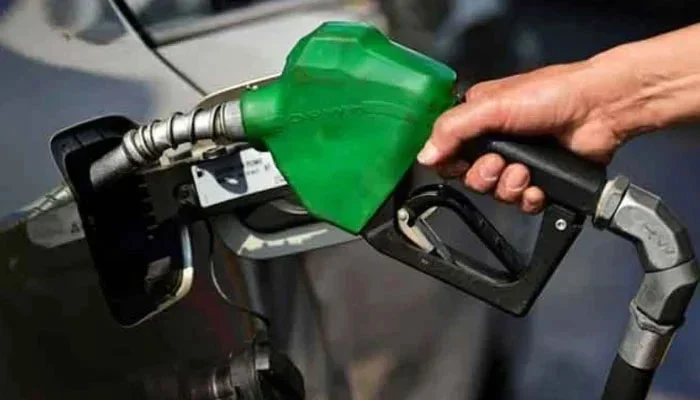

Petrol prices in Pakistan could increase by Rs47 per litre if the government accepts the IMF’s demand for an 18% tax on petroleum products. The tax is a condition for cost recovery under the IMF program.
Refinery Upgrade Plan at Risk
The government’s plan to upgrade local refineries to produce high-quality Euro 5-standard fuel is at risk. Currently, no refinery in Pakistan produces Euro 5 fuel; existing facilities can refine petrol and diesel only up to Euro 2 and Euro 3 standards.
Authorities had requested tax exemptions on machinery needed for the refinery upgrades. However, the IMF has refused to allow exemptions, complicating the $6 billion investment plan.
Proposed Sales Tax Versus IMF Demand
The government initially suggested a sales tax of up to 2% on petroleum products. However, the IMF has yet to approve this proposal. If the IMF’s condition is accepted, the 18% tax would raise petrol prices by Rs47 per litre. Similarly, applying the sales tax on diesel could increase its price by Rs50 per litre.
Economic and Consumer Impact
An increase of this magnitude would significantly affect both consumers and businesses. Higher fuel prices could lead to a rise in transportation and commodity costs, impacting inflation. Meanwhile, the refinery upgrade plan, aimed at producing cleaner fuel, remains uncertain until tax exemptions or alternative funding mechanisms are secured.
