

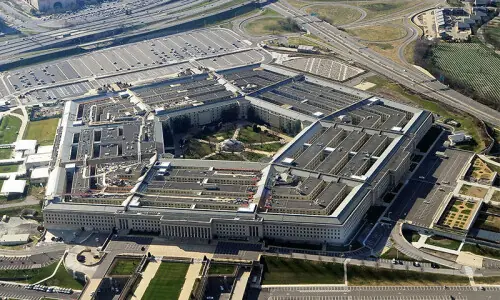

The Pentagon has introduced strict new restrictions on media access, sparking alarm among press freedom advocates. Under the rules, reporters covering the US military are now required to pledge not to disclose any information unless formally authorised for publication. They must also sign an affidavit agreeing to these conditions or risk losing their media credentials.
The new guidelines, circulated in a memo on Friday, apply not only to classified information but also to “controlled unclassified information,” effectively restricting reporters from using material from unnamed officials.
Additionally, journalists will face tighter movement restrictions within the Pentagon and must now be escorted in areas where they previously had freer access.
Defence Secretary Pete Hegseth defended the move on social media, insisting that the Pentagon is a secure facility and not a place for reporters to “roam the halls.” He added that the rules ensure order and security, saying, “Wear a badge and follow the rules — or go home.”
The decision comes amid a broader effort by President Donald Trump’s administration to limit critical media coverage. Trump has previously suggested that publishing negative stories could be “illegal,” and critics view these measures as part of a campaign to suppress independent reporting.
The rules have drawn sharp backlash from major media organisations. A spokesperson for The New York Times described the changes as a continuation of efforts to reduce public access to military operations funded by taxpayers.
National Press Club President Mike Balsamo warned that such restrictions undermine independent journalism, noting, “If the news about our military must first be approved by the government, then the public is no longer getting independent reporting.”
The move has ignited debate about transparency, with press groups urging the Pentagon to reverse course to protect accountability and public trust.
