

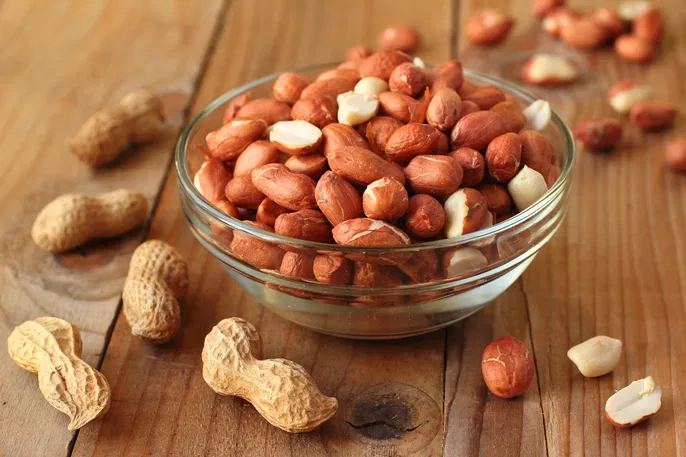

Peanuts
Long regarded as just a crunchy, convenient snack, peanuts are now earning widespread recognition as a nutrient-dense superfood with a wide array of health benefits. Far from being merely a tasty treat, peanuts are packed with essential vitamins, minerals, antioxidants, and beneficial plant compounds that can significantly contribute to overall health and well-being.
These humble legumes contain high amounts of dietary fibre, B vitamins (such as niacin and folate), and vitamin E—nutrients vital for maintaining various bodily functions. They also provide crucial minerals like iron, zinc, magnesium, potassium, and copper, all of which play key roles in cellular function, bone strength, cardiovascular health, and immune system support.
Hormonal Balance and Regulation
Peanuts contain nutrients like vitamin E, magnesium, and the amino acid arginine, which may support hormone regulation. Regular consumption may help ease symptoms of hormonal imbalances such as mood swings, acne, and fatigue, particularly in women.
Gut Health and Digestive Support
Rich in dietary fibre, peanuts promote a healthy digestive system by supporting the growth of beneficial gut bacteria. A healthy gut microbiome not only improves digestion but also strengthens immunity and contributes to better mental health.
Skin Nourishment and Protection
Peanuts are rich in antioxidants, including resveratrol and polyphenols, which help protect skin cells from oxidative stress. This protection may delay signs of aging such as fine lines, dark spots, and dullness, promoting a clearer and healthier complexion.
Heart and Vascular Health
Peanuts contribute to heart health in multiple ways. Arginine, a compound found in peanuts, enhances blood flow and vascular function. Their magnesium and healthy fat content help reduce blood pressure, lower LDL cholesterol levels, and decrease inflammation, all of which are critical in maintaining cardiovascular health.
Strengthening Bones
With key minerals such as magnesium and copper, peanuts assist in maintaining bone density and supporting skeletal development. These nutrients help regulate calcium absorption and are especially beneficial in preventing conditions like osteoporosis.
Supporting Weight Management
Despite their relatively high caloric content, peanuts may aid in weight control due to their protein and fibre-rich profile. These nutrients enhance satiety, helping people feel fuller for longer. Studies suggest that moderate peanut consumption does not lead to weight gain and may, in fact, assist in reducing overall body fat.
Diabetes Risk Reduction
Peanuts have a low glycaemic index, which means they cause a slow rise in blood sugar levels. This makes them a smart food choice for individuals managing diabetes or those at risk. Research has shown a correlation between moderate peanut consumption and a reduced likelihood of developing type 2 diabetes, particularly among high-risk women.
Brain Health and Cognitive Defense
Peanuts are rich in resveratrol, niacin, and vitamin E—nutrients that have been linked to improved brain function and a reduced risk of neurodegenerative diseases like Alzheimer’s. These compounds may support memory, cognitive performance, and overall neurological health.
Whether eaten as a snack, added to salads, or used in cooking, peanuts are far more than a crunchy indulgence. Their impressive nutritional profile and wide-ranging health benefits make them a valuable addition to a balanced diet. From protecting the heart and brain to supporting skin and bone health, peanuts are a small but mighty food worthy of regular inclusion in daily meals.
