


Russia has dismissed recent European and Ukrainian changes to a US-backed peace proposal. According to Moscow, the revisions do not improve prospects for ending the Ukraine war. Instead, officials believe the changes complicate efforts toward a lasting settlement.
The original US proposal aimed to outline a framework for ending the conflict. However, European governments and Ukraine expressed strong reservations. They argued the plan favored Russia and risked forcing excessive concessions from Kyiv.
Kremlin Pushes Back on Revised Proposals
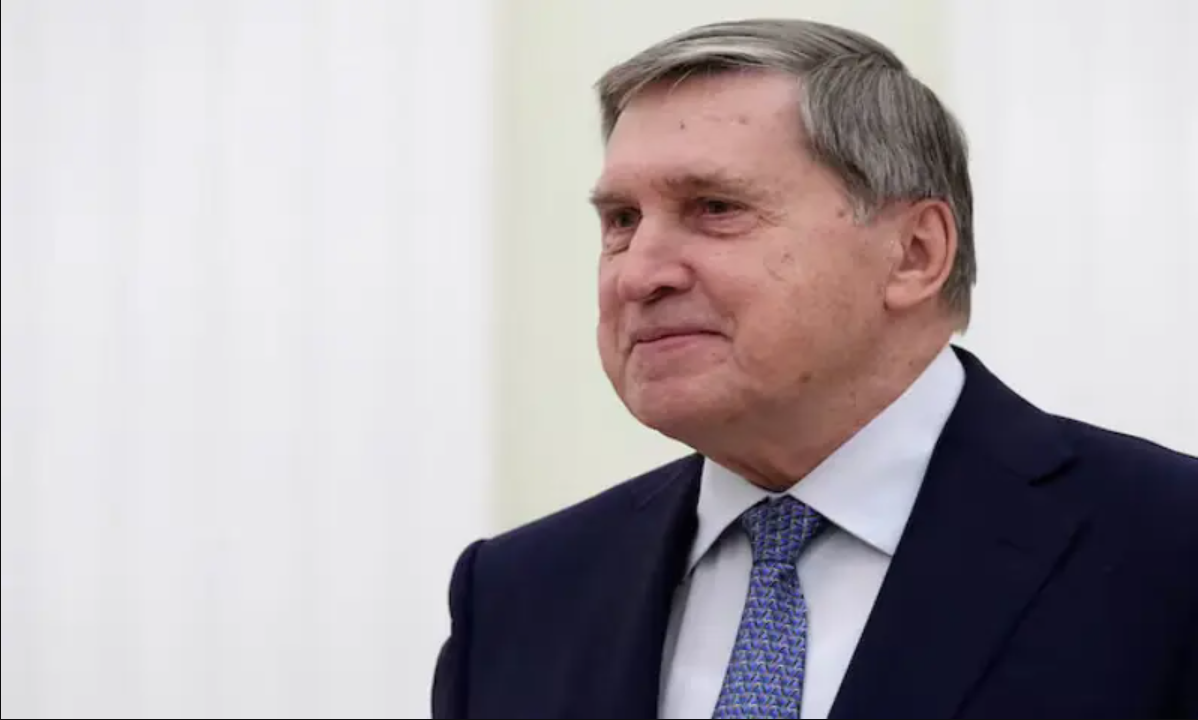
Russia’s top foreign policy aide, Yuri Ushakov, addressed the issue in Moscow. He stated that European and Ukrainian revisions weaken the peace framework. Therefore, Moscow sees no improvement in the likelihood of long-term peace.
Ushakov clarified that he had not reviewed the final written proposals.Nevertheless, he expressed confidence in Russia’s position. He insisted the changes undermine rather than strengthen the document.
According to him, the revisions fail to address Russia’s core concerns.
Diplomatic Talks Continue Behind the Scenes
Despite public disagreements, diplomatic contacts continue quietly. Russia’s special envoy Kirill Dmitriev met US representatives in Florida. The discussions involved senior figures close to the US administration.
Dmitriev confirmed that talks would continue the following day. Meanwhile, US officials also held meetings with Ukrainian and European representatives. As a result, parallel diplomatic tracks remain active. However, no details of the revised peace draft have been made public.
Dispute Over Three-Way Talks
Ukraine has expressed conditional support for three-way negotiations. President Volodymyr Zelensky said such talks could help expand prisoner exchanges. He also suggested they might open doors for leader-level meetings.
Russia, however, rejected the idea outright. Ushakov said no serious discussions on three-way talks had taken place. He added that such a format was not under active consideration. This disagreement highlights the growing gap between the parties.
Competing Narratives Shape the Conflict
Moscow accuses European leaders of obstructing peace efforts. Russian officials claim Europe adds conditions they know Russia will reject. According to Moscow, these moves intentionally delay negotiations.
Ukraine and European leaders strongly dispute this narrative. They argue Russia seeks territorial gains through military pressure. Therefore, they insist Russia must not benefit from the conflict.
The war, which began in February 2022, remains Europe’s deadliest conflict in decades.
Broader Stakes for Global Security
The outcome of these talks carries major implications. It will shape Ukraine’s future and Europe’s security architecture. It will also determine the durability of any US-brokered peace deal.
Russia continues to frame the war as a turning point with the West. President Vladimir Putin argues NATO expansion threatened Russia’s security. Meanwhile, Western nations reject this justification entirely. As diplomacy continues, divisions remain deep and unresolved.
