

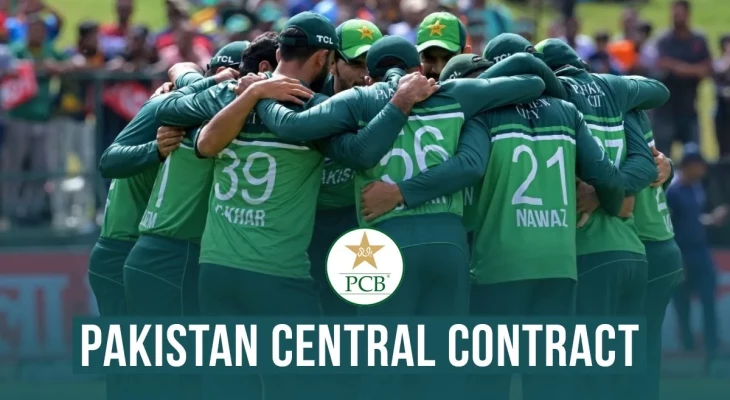

The Pakistan Cricket Board (PCB) has recently announced its revised central contracts, a move that has sparked significant debate and discussion across cricketing circles and among fans. The new contract framework marks a major shift in the way players are evaluated and compensated, reflecting both recent team performances and the board’s broader strategy for talent development.
Notably, for the first time since central contracts were introduced, no player has been awarded a Category A deal. This unprecedented decision has been attributed to the team’s inconsistent performances in recent international series, signaling that the PCB is taking a stricter, performance-based approach in evaluating its cricketers.
While the absence of Category A contracts has drawn considerable attention and debate on social media, the PCB has simultaneously implemented substantial pay raises for players in the lower categories. Cricketers in Category C will now earn Rs2.5 million per month, a significant increase from last year’s Rs2 million, providing stronger financial incentives to emerging and mid-tier players.
Similarly, Category D players will receive Rs1.5 million monthly, up from Rs1.2 million, offering better compensation for those who are still establishing themselves in the national setup. In contrast, players in Category B will see no change in their monthly earnings, continuing to receive Rs3 million, which may fuel further discussion about pay parity and performance-based rewards.
The current central contract list comprises 30 players, evenly distributed across Categories B, C, and D. Among these, 12 players are new entrants, including notable names like Ahmed Daniyal, Faheem Ashraf, and Hasan Ali, who have earned their contracts based on recent performances and potential contributions to the team.
On the other hand, eight players who held contracts last season have been dropped, including Aamir Jamal and Kamran Ghulam, all of whom were previously in Category D. This reshuffling underscores the PCB’s commitment to refreshing the talent pool while rewarding players who demonstrate consistent performance.
In addition to adjusting the pay structure, the PCB’s contract framework aligns with its current strategy of maintaining separate squads for different formats of the game.
By incentivizing a broader base of players through increased financial rewards, the board aims to cultivate competition and ensure that emerging talent has the motivation to excel. The revised contracts also reflect a more transparent and performance-oriented approach, which could shape future agreements and negotiations between players and the board.
Overall, the PCB’s latest central contracts represent a careful balancing act between rewarding experience, incentivizing emerging talent, and addressing team performance concerns. While debates are expected to continue regarding the board’s evaluation criteria, the updated pay structure and player selection highlight the PCB’s ongoing efforts to professionalize cricket management and strengthen the national team’s competitive edge.
