

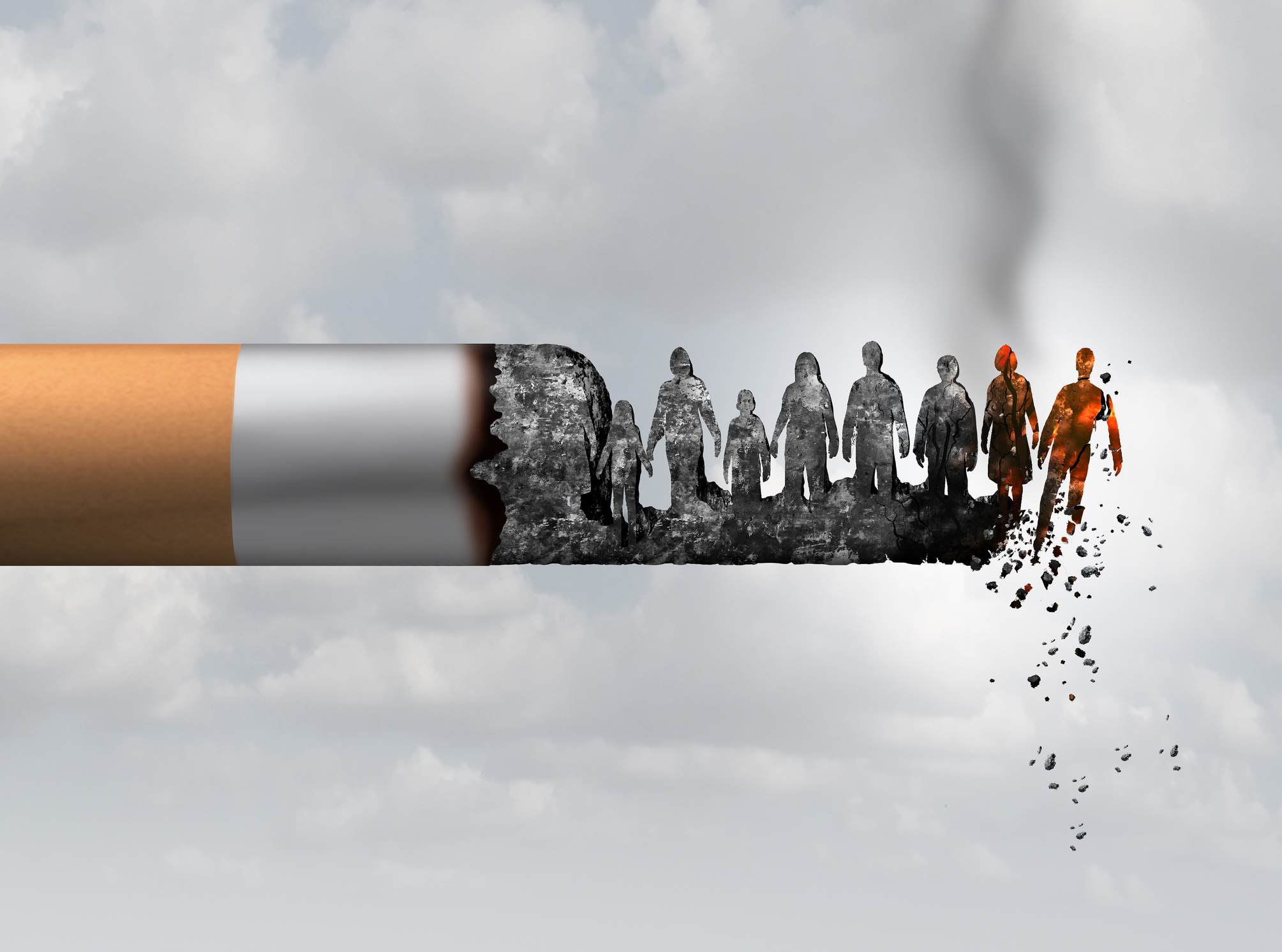

Exposure to cigarette smoke has consequences that go far beyond the immediate health of children. New research shows that parental smoking harms children and grandchildren by increasing their long-term risk of developing chronic respiratory diseases. The findings highlight that second-hand smoke exposure can pass down harmful effects through generations, creating a cycle of impaired lung health.
Intergenerational Risks of Passive Smoking
Scientists from the University of Melbourne published the study in the medical journal Thorax. They revealed that cigarette smoke exposure during childhood damages not only the lungs of those directly exposed but also affects the respiratory health of their descendants. Children and grandchildren of smokers were found to face a greater risk of developing chronic obstructive pulmonary disease (COPD).
COPD is a progressive lung condition that currently causes around 3 million deaths worldwide every year. The research stresses that even passive smoke exposure during childhood is enough to increase the likelihood of this disease in later generations.
How Researchers Conducted the Study
The findings were based on data collected from more than 8,000 participants enrolled in the Tasmanian Longitudinal Health Study, one of the largest respiratory health studies worldwide. Using spirometry tests, researchers measured lung function and analyzed long-term health outcomes across multiple generations.
Results clearly demonstrated a connection between second-hand smoke exposure in childhood and reduced lung function later in life. These effects were not confined to those directly exposed but extended to their children and grandchildren, proving the intergenerational impact of cigarette smoke.
Fathers Play a Critical Role
One of the most striking points made by the researchers was the specific risk linked to paternal smoking. Fathers who smoke around children increase not only their child’s immediate vulnerability to lung damage but also the risk of passing on weakened lung capacity to future generations.
Therefore, the study strongly recommends that fathers avoid smoking in the presence of children. This simple preventive measure can help protect both current and future generations from debilitating respiratory diseases.
Why the Findings Matter
The research underscores that the dangers of smoking are not limited to smokers themselves. Passive smoking creates long-lasting consequences for families, shaping the health outcomes of children and grandchildren. Reducing children’s exposure to cigarette smoke is essential to prevent chronic diseases and improve quality of life across generations.
Parents must recognize that smoking near children is not a harmless habit. Instead, it sets in motion long-term health risks that persist across lifetimes. Families who prioritize smoke-free environments can significantly reduce the burden of respiratory diseases in the future.
This study provides powerful evidence that parental smoking harms children and grandchildren in ways previously underestimated. Protecting children from second-hand smoke today is not only a matter of immediate well-being. It is also an investment in the respiratory health of future generations.
