

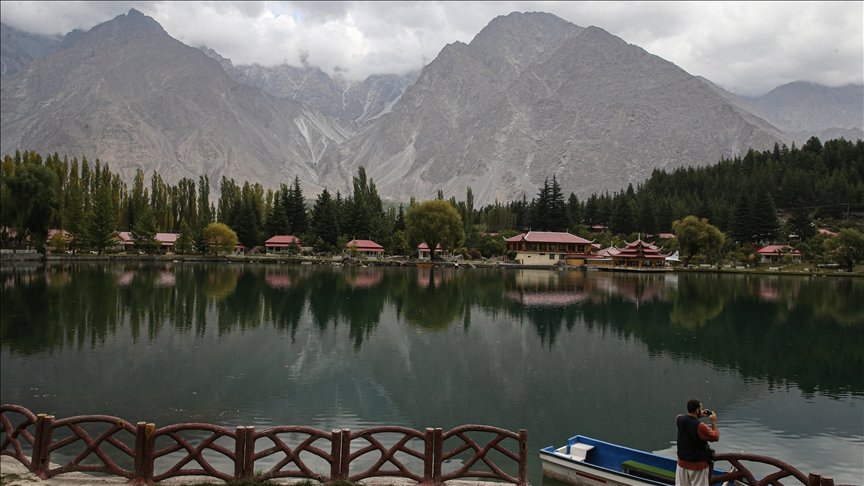

By Aamir Latif/Anadolu Agency
ISLAMABAD: Pakistan’s wetlands—once vibrant sanctuaries for millions of migratory birds escaping Siberia’s harsh winters—are seeing an alarming decline in avian visitors. Experts warn that prolonged droughts, shrinking water bodies, and habitat degradation are driving many species away, perhaps permanently.
Nowhere is the decline more stark than in southern Sindh, historically a top destination along the Indus Flyway. According to the Sindh Wildlife Department’s latest waterfowl census, the number of migratory birds plummeted from 1.2 million in 2023 to just 545,000 in 2025 — a drop of over 50% in two years.
The 2023 spike in numbers was attributed to the lingering effects of Pakistan’s devastating 2022 floods, which temporarily replenished wetlands across the country. That influx of water had revived ecosystems, attracting birds to once-dry lakes, lagoons, and streams along their 4,500-kilometre journey from Siberia to India.
But this year paints a far bleaker picture.
“Sindh has long provided refuge to migratory birds thanks to its rich biodiversity and numerous wetlands,” said Mumtaz Soomro of the Sindh Wildlife Department. “But since last year, we’ve seen a consistent decline due to falling water levels and recurring droughts.”
A recent survey, covering roughly 40% of Sindh’s wetland habitats, found worrying shortages at key sites, including Manchar, Keenjhar, Hamal and Haleji lakes, Nareri lagoon, and the Rann of Kutch wildlife sanctuary — several of which are designated Ramsar sites of international ecological importance.
“Our teams reported significant water shortages at nearly all major habitats,” said Soomro, including the ecologically sensitive Rann of Kutch marshlands.
Once-Thriving Sites Now a Faint Echo of the Past
Typically, birds begin arriving by late August and leave by February. Among the more than 50 recorded species are mallards, storks, cranes, gulls, plovers, and cormorants.
This year, Nareri lagoon saw the highest concentration with 112,000 birds, followed by 91,000 in Rann of Kutch. Yet even these numbers are just a fraction of what was once common.
Zohaib Ahmed, a Karachi-based ornithologist, says climate change isn’t the sole culprit. “Man-made pressures—like habitat destruction, pollution, and illegal hunting—are equally damaging,” he told Anadolu. “Uncontrolled development has destabilized these delicate ecosystems.”
Ahmed warned that unless urgent environmental measures are taken, Pakistan risks losing its status as a crucial stopover for migratory birds along the Indus Flyway.
Decline Spreads Beyond Sindh
While Sindh is facing the brunt, the trend extends to other provinces. In Punjab, wildlife authorities report similar declines, though final survey results are still pending.
Mudasser Hasan, Deputy Chief of Punjab’s Wildlife Rangers, attributes the drop to climate stressors: “The decrease isn’t abrupt — it’s been building up due to persistent water shortages, disrupted seasonal patterns, and prolonged heatwaves.”
Hasan emphasized that Pakistan’s wetlands are increasingly vulnerable, mirroring broader climate threats. As one of the world’s top 10 most climate-vulnerable countries, Pakistan is grappling with erratic monsoons, glacial melt, and rising temperatures — all of which are straining ecosystems critical to bird migration.
Despite the grim outlook, Hasan believes that poaching has been largely curtailed. “Hunting exists but is not the main threat anymore — climate change is the real danger,” he said, noting recent efforts to tighten anti-poaching laws.
Dispute Over Poaching Impact
But ornithologist Zohaib Ahmed disagrees, particularly regarding Sindh. “I can say confidently that hunting and trapping remain rampant,” he said. “From the Kirthar mountains to Karachi’s coastal belt, migratory birds are still being caught and sold at illegal markets.”
He stressed that continued hunting undermines conservation efforts and exacerbates the decline of already vulnerable species.
As Pakistan’s wetlands dry and its skies grow quieter, the loss of migratory birds is not just an ecological crisis but a stark warning about the country’s broader environmental health. Without swift and sustained action, what were once thriving stopovers for global avian travelers may soon become barren relics of a fading past.
