

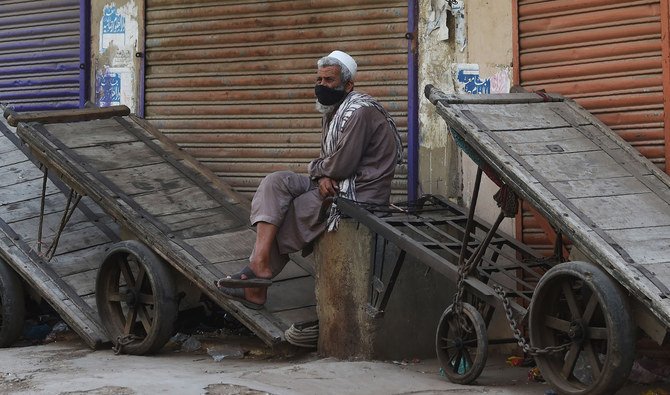

Unemployment in Pakistan is projected to reach 7% in the fiscal year 2024–25, up from 6.3% in 2020–21, according to sources citing the latest Labour Force Survey (LFS).
The Pakistan Bureau of Statistics (PBS) shared preliminary findings during the recent DataFest conference, although some experts raised questions about employment data for the Islamabad Capital Territory and other specific issues. The government is expected to release the official LFS results for 2024–25 next week.
The 2020–21 LFS indicated that Pakistan’s labour force had grown to 71.76 million, with an overall employment-to-population ratio of 42.1%.
A pronounced gender gap was observed, with male employment at 64.1% compared to just 19.4% for females. The services sector remained the largest employer, while youth aged 15–24 faced the highest unemployment, particularly among females at 11.1%.
The 2024–25 survey adopted the 19th International Conference of Labour Statisticians (ICLS) framework, as recommended by the International Labour Organisation (ILO), replacing the 13th ICLS system that had been in use globally since 1982.
Under the previous 13th ICLS definition, anyone performing even one hour of work—paid or in a family business—was considered employed. The 19th ICLS separates paid work from own-use production work, which includes growing food for household consumption, raising livestock for family use, and other unpaid activities such as volunteering or unpaid training.
This methodological change is expected to lower labour force participation and employment rates while increasing the unemployment rate.
Many rural women, unpaid family workers, and subsistence farmers who were previously classified as employed may now fall under “own-use production work” or exit the labour force entirely if they are not seeking paid employment.
By focusing on individuals participating in the market economy, the 19th ICLS provides a more precise picture of Pakistan’s labour market, highlighting the segment of the population actively engaged in income-generating activities. The shift is significant in assessing true economic participation and understanding structural challenges in employment across different demographics.
