

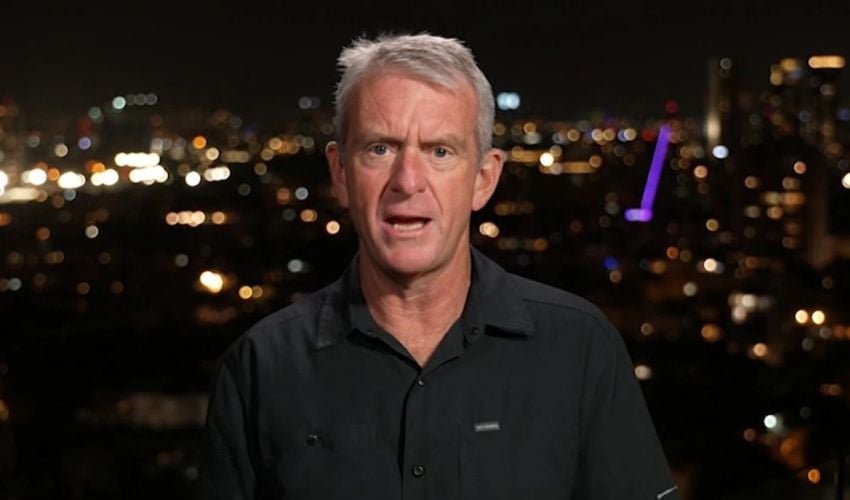

India was compelled to initiate negotiations after a series of unexpected missile strikes from Pakistan, according to international journalist Nic Robertson. Citing a high-level source present during ceasefire talks, Robertson revealed that India reached out to the United States to help defuse the rapidly escalating conflict.
The source confirmed that US Secretary of State Marco Rubio played a central role in brokering the ceasefire, which was finalized just an hour before Robertson’s report. He added that the agreement had been in progress for nearly 48 hours, but diplomatic efforts faltered after India carried out airstrikes on three Pakistani airbases—one of them located near the capital.
In response, Pakistan launched a widespread and sustained missile offensive, targeting Indian military infrastructure, including airbases and arms depots. According to the source, this overwhelming retaliation forced India to return to diplomatic channels.
“A ceasefire became possible only after both sides paused long enough to believe it was credible,” Robertson said. “Intense diplomacy and external pressure created the opening needed for dialogue.”
He also noted a major point of contention: access to water. Pakistan remains concerned over India’s restriction of river flows from Kashmir, affecting three critical rivers that Pakistan views as vital for its survival.
Although a ceasefire is in place, tensions remain high. The source emphasized that the situation had reached a critical point, and failure to secure diplomatic progress could have led to a much broader conflict. “This was a now-or-never moment,” Robertson concluded.
