


By Irtiza Kazmi
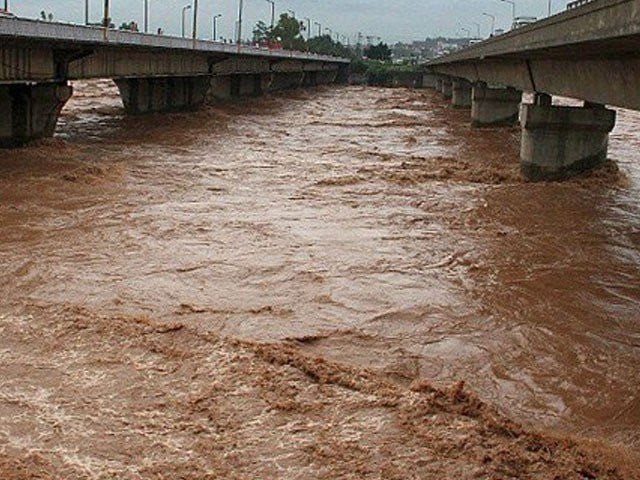
KARACHI: “If the earth is seen only as property and the forest only as lumber, the sky’s gift of rain will turn into the burden of flood.” Nature’s Gift Turned Burden. Rain is meant to be life’s sustenance, replenishing aquifers, feeding rivers, nurturing crops. Yet today in Pakistan, an unforgiving convergence of climate shifts, environmental degradation, and human neglect has turned this lifesaver into a destroyer. The recent monsoon season, intensified by global warming, has laid bare the dangers we invite when we forget that land and forests are partners in resilience, not resources to be exploited. This year’s floods are among the most devastating in Pakistan’s recent memory:
Punjab, once the breadbasket, now a basin: In late August 2025, eastern Punjab endured unprecedented flooding, its worst since 1988, with over 2 million people affected, more than 1,400 villages inundated, and over 1.2 million displaced. Up to 210,000 people were evacuated in emergency operations.
Nationwide impact: Since late June, rainfall-related incidents have claimed at least 849 lives and injured over 1,130 people across the country. Khyber Pakhtunkhwa’s flash flood tragedy: Mid‑August flash floods and landslides in KP, particularly in Buner and Swat, resulted in over 320 fatalities, with around 158 in Buner alone. Encroachment and Deforestation: Foundations of Disaster. Why has rain, once our ally, unleashed such havoc? Encroachments along riverbanks and floodplains have systematically narrowed or blocked waterways, leaving rivers no room to breathe. This human-built pressure turns rivers into ticking bombs during deluges.
Deforestation is unravelling nature’s safety nets: From 2001 to 2024, Pakistan lost about 9.5 km² of forest cover, roughly half the size of Islamabad, nearly 8% of its forests. In mountainous regions such as Swat and Buner, deforestation has reached annual rates of around 1.5%, undermining the land’s ability to absorb sudden rainfall and making flash floods and landslides tragically more likely. When Infrastructure Fails and Urban Planning Misses the Mark. Our cities, where millions live, are no exception to the strains: Stormwater systems are chronically inadequate, outdated, clogged, or simply absent in sprawling urban areas. Unchecked development has swallowed floodplains, wetlands, and drainage channels, replacing them with heat-trapping concrete.
The result? When rain falls, it stays, but often where it shouldn’t. A Philosophical Reckoning. This crisis isn’t a fluke of climate; it’s the echo of our values. When forests lose their sacredness and become mere supply chains, and land is stripped of its spirit and deemed only tradable, we disrupt the rhythms upon which life depends. Rain doesn’t become a burden on its own; it becomes one because we have failed to honour the earth.
Toward Reconciliation and Renewal
The path forward requires restoration, not just construction:
- Remove encroachments and rehabilitate river channels, allowing water to flow as nature intended.
- Reforest degraded hills and watersheds, so the soil can buffer, rivers can breathe, and floods can be tamed.
- Embed ecology in urban planning, preserving natural flood buffers, wetlands, green belts, floodplains. • Strengthen governance and accountability: enforce environmental regulations, carefully monitor development, and prioritize climate resilience over short-term profit.
Choosing to Bless the Rain Again.
As we stand wading through the consequences, let this line serve as both a warning and a guide: If the earth is regarded merely as property and the forest only as a source of timber, then the blessings of rain from the sky will transform into the hardship of flooding. But the inverse is possible. If we begin to treat our land as a shared trust and our forests as allies, rain can return to being a blessing. The storms we endure today may yet teach us the value of stewardship and, with it, hope.
