

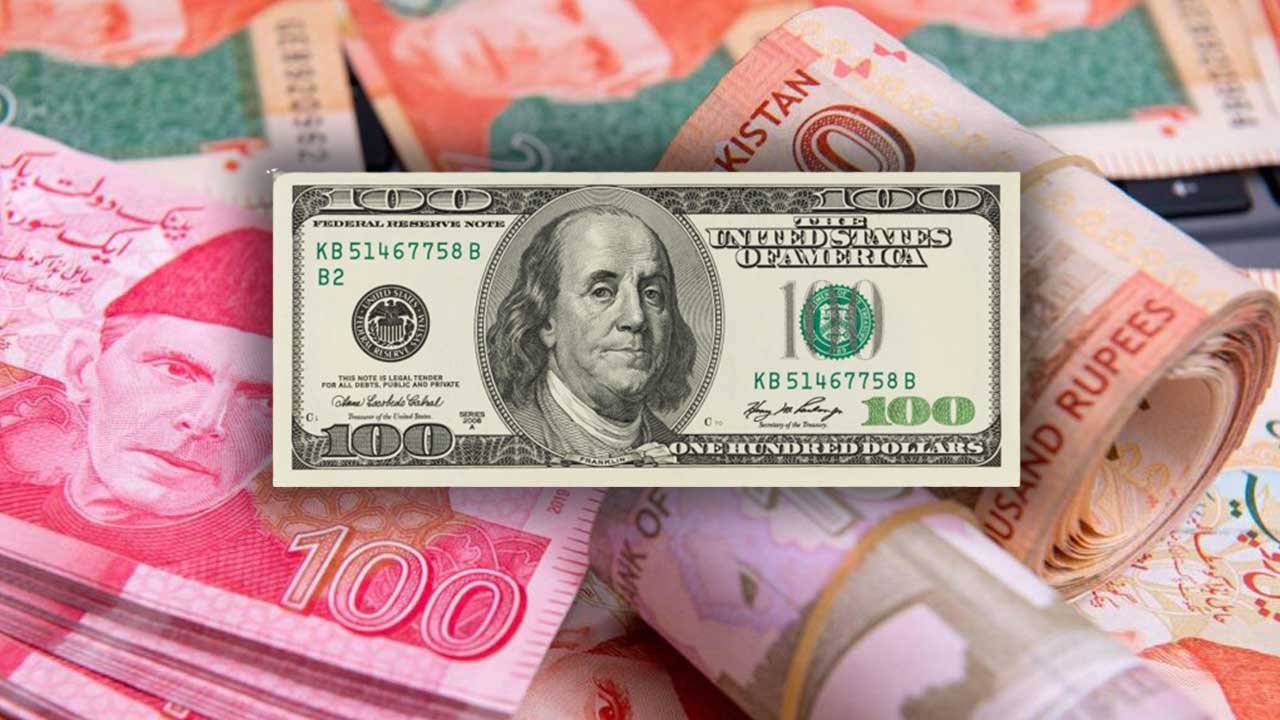

Pakistan’s dollar bonds continue to gain strength as improved ratings, stronger reforms, and renewed market access boost investor confidence. Although the country faced severe financial pressure two years ago, its debt performance has now become the strongest in Asia. This shift has encouraged major global investors to reassess Pakistan’s economic direction.
Bond Performance Strengthens Across Global Markets
The government plans new fundraising steps to expand its financing options. It intends to issue yuan-denominated bonds later this year. Moreover, it aims to return to the Eurobond market in 2026. This return marks Pakistan’s first attempt to re-enter that market in nearly five years. Because of these plans, investors expect further gains in the country’s debt performance.
So far this year, Pakistan’s dollar bonds have delivered a return of 24.5%. This return remains the highest in Asia. Therefore, investors see renewed potential in Pakistan’s financial markets.
Investors Increase Holdings on Reform Momentum
Global funds have increased their exposure to Pakistan’s debt. Danske Bank Asset Management expanded its holdings several times this year. According to its emerging markets head, Pakistan appears committed to reforms. He said Pakistan is rebuilding buffers such as higher dollar reserves while regaining market access.
International institutions also see progress. Two major rating agencies upgraded Pakistan’s sovereign rating this year. They cited stronger fiscal management and steady reforms under the current stabilisation programme. Although the reforms required difficult steps, they helped Pakistan secure vital support. The government gained additional International Monetary Fund funding through tax increases and strict fiscal discipline.
Reforms Seen as Key to Sustaining Momentum
Analysts say Pakistan’s bond outperformance can continue. According to a leading asset manager, the trend will hold if the government continues its reform discipline. She said the commitment to the stabilisation path appears strong. Because of that, investors remain optimistic about medium-term performance.
Another analyst noted that improved market access could reduce refinancing concerns. He said that when access expands, debt pressure over the next two to three years becomes less worrying.
Risks Remain Despite Positive Sentiment
However, investors also recognise key risks. Regional tensions with India and Afghanistan continue to pose challenges. Additionally, higher energy costs may strain public finances, especially since oil makes up a large share of imports. Although these risks exist, investor sentiment remains positive for now.
A senior fixed-income specialist highlighted the near-term outlook. He said rating upgrades could act as the first major catalyst. He added that renewed market access may serve as the next catalyst, strengthening confidence further.
