

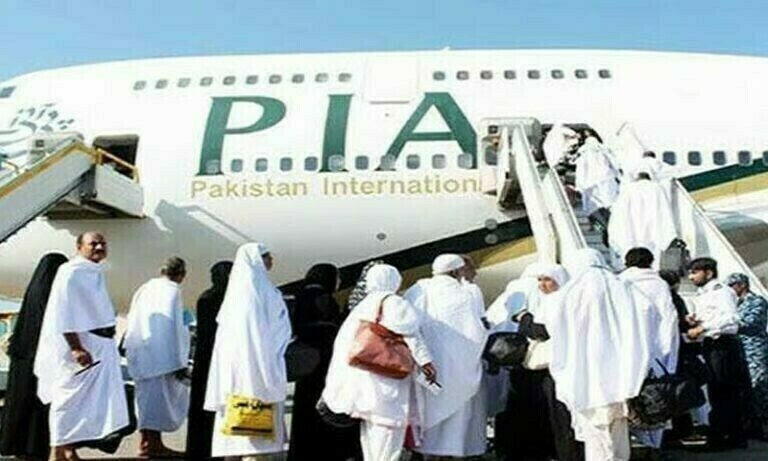

26,000 Affected Pilgrims to Be Accommodated Under Same Package and Price
In a significant relief for thousands of Pakistani pilgrims who were unable to perform Hajj in 2025, the Ministry of Religious Affairs has announced that these individuals will be allowed to perform Hajj in 2026 without any additional charges. The announcement follows weeks of uncertainty for over 26,000 pilgrims who had paid in full but could not proceed due to booking issues.
Federal Minister for Religious Affairs Sardar Muhammad Yousaf confirmed the development, calling it a “welcome and just step” for pilgrims who had deposited their dues but were let down by administrative failures. “There is good news for all those who missed the opportunity. They will not need to pay anything extra next year,” the minister stated.
The Ministry further revealed that private Hajj operators, who were responsible for the failed bookings, have assured the government that all affected pilgrims will be accommodated under the same package and price for Hajj 2026.
Incomplete Bookings and Financial Safeguards
According to official sources, private Hajj operators were allocated 63,000 slots for Hajj 2025 but failed to fully utilize their quota. Around 26,000 Pakistani pilgrims were affected, despite having paid in full. The total amount collected—estimated at 490 million Saudi Riyals—is currently held in Saudi Arabia’s e-wallet system, ensuring the funds are secure.
A senior official at the Ministry of Religious Affairs emphasized that no financial burden will be placed on the pilgrims. “The private operators have accepted responsibility and agreed to carry forward the existing bookings without any hike in price. It’s a move to protect pilgrims’ rights and trust,” the official added.
Hajj Policy 2026 and Digital Overhaul
The federal cabinet, in a meeting chaired by Prime Minister Shehbaz Sharif on July 30, approved the Hajj Policy 2026, which aims to streamline and digitize the entire Hajj operation. The PM stressed the need for complete transparency and efficiency, stating that “all necessary facilities must be ensured for pilgrims.”
The policy outlines a new quota distribution: 70% for the government scheme and 30% for private operators. Initially, the Ministry had proposed a 40:60 split, but the shift in favor of the public sector was made at the Prime Minister’s direction, aiming to accommodate more pilgrims under a regulated, government-managed framework.
Cost Expectations and Future Outlook
The cost of Hajj under the government scheme in 2026 is expected to fall between Rs1.1 to Rs1.2 million. The government is also exploring options to improve the booking process, expand digital support systems, and prevent similar administrative lapses in the future.
This decision has been widely welcomed by the public and religious circles alike, as it not only preserves the financial investments of the affected pilgrims but also reinforces accountability among private Hajj operators.
