


Conflict
A high-level Pakistani parliamentary delegation, led by Pakistan Peoples Party (PPP) Chairman Bilawal Bhutto Zardari, has urged the United States and United Nations to support sustainable peace and conflict resolution in South Asia.
The delegation emphasized that the region cannot afford perpetual conflict, especially in light of recent hostilities triggered by India’s baseless allegations against Pakistan following the April 22 Pahalgam attack in Indian Illegally Occupied Jammu and Kashmir (IIOJK).
During a meeting with Ambassador Dorothy Shea, acting U.S. Permanent Representative to the UN, Bilawal reiterated Pakistan’s commitment to peace, regional stability, and international law.
He acknowledged U.S. President Donald Trump’s role in facilitating past ceasefire agreements between Pakistan and India. The delegation also highlighted the importance of the Indus Waters Treaty (IWT), warning against India’s provocative suspension of the agreement and its potential to trigger environmental and humanitarian crises.
The delegation met with ambassadors of the Organisation of Islamic Cooperation (OIC), briefing them on Islamophobia in India, the deteriorating human rights situation in IIOJK, and disinformation campaigns targeting Pakistan. Bilawal urged the OIC to continue its steadfast support for the Kashmiri people’s right to self-determination.
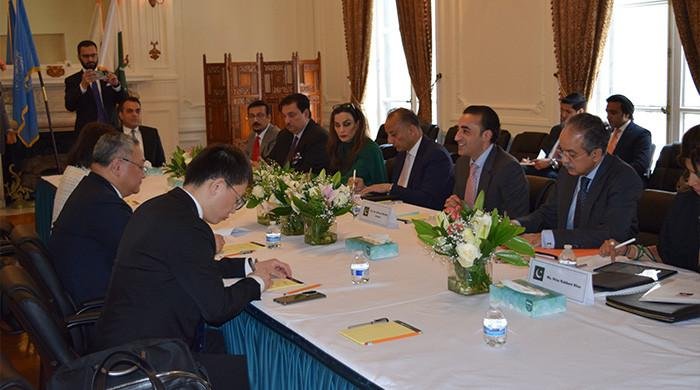
In a separate meeting with Chinese Permanent Representative to the UN, Ambassador Fu Cong, both sides condemned unilateral actions threatening regional peace.
Bilawal expressed gratitude for China’s unwavering support and reiterated Pakistan’s call for impartial investigations into the Pahalgam incident, which India rejected. He stressed that resolving the Kashmir dispute is key to lasting peace in South Asia.
The Pakistani delegation also engaged with ambassadors from elected UN Security Council member states—Denmark, Greece, Japan, Somalia, Algeria, and others—rebutting Indian propaganda and emphasizing Pakistan’s responsible response to Indian aggression.
They warned that India’s actions, including the IWT suspension, could result in severe consequences for water security and food stability in Pakistan.
Meetings were also held with the UNSC President and Russia’s UN representative. The delegation urged all stakeholders to shift from conflict management to genuine conflict resolution.
Stressing Pakistan’s peaceful intentions and diplomatic approach, Bilawal reaffirmed that dialogue—not escalation—is the only path forward.
Meanwhile, India launched a global diplomatic campaign to portray Pakistan as a terrorism sponsor and justify Operation Sindoor, which resulted in civilian casualties during cross-border military operations between May 6 and 10.
Pakistan categorically denies any involvement in the Pahalgam incident and continues to call for evidence-based investigations and adherence to international law to prevent further escalation.
